Latest InfoPacks
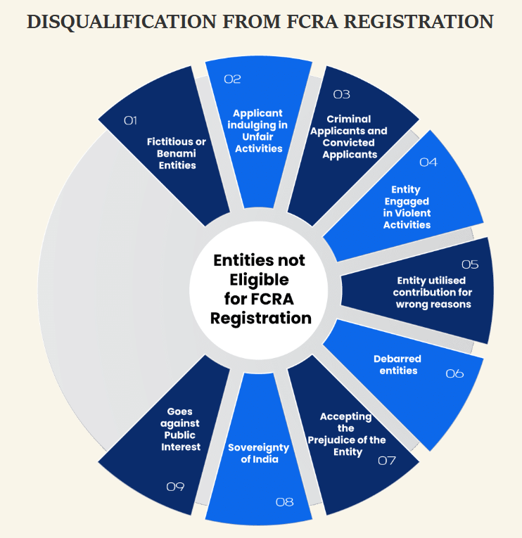
Foreign funds widening domestic faultlines? Is that why India is reimagining FCRA?
The debate around FCRA is no longer ‘NGOs versus Government’. It’s about how a nation safeguards its sovereignty when funding casts greater influence than force.

Charity, activism & the debate over foreign funding in India
Debate over FCRA comes into play when foreign funding meant for charitable purposes is allegedly used to influence public policy, fund activism, and mobilise people.

FCRA Amendment Rules 2026: A structural shift with legal weight
India tightened FCRA rules in June 2026, restricting foreigners from leading NGOs, what they can spend foreign funds on, and where.

The Big Fertility Gap Story: What Examples from Different States Tell
The fertility gap between Hindus and Muslims often evokes heated debate with political overtones. Here is an apolitical and data-backed look at the issue.
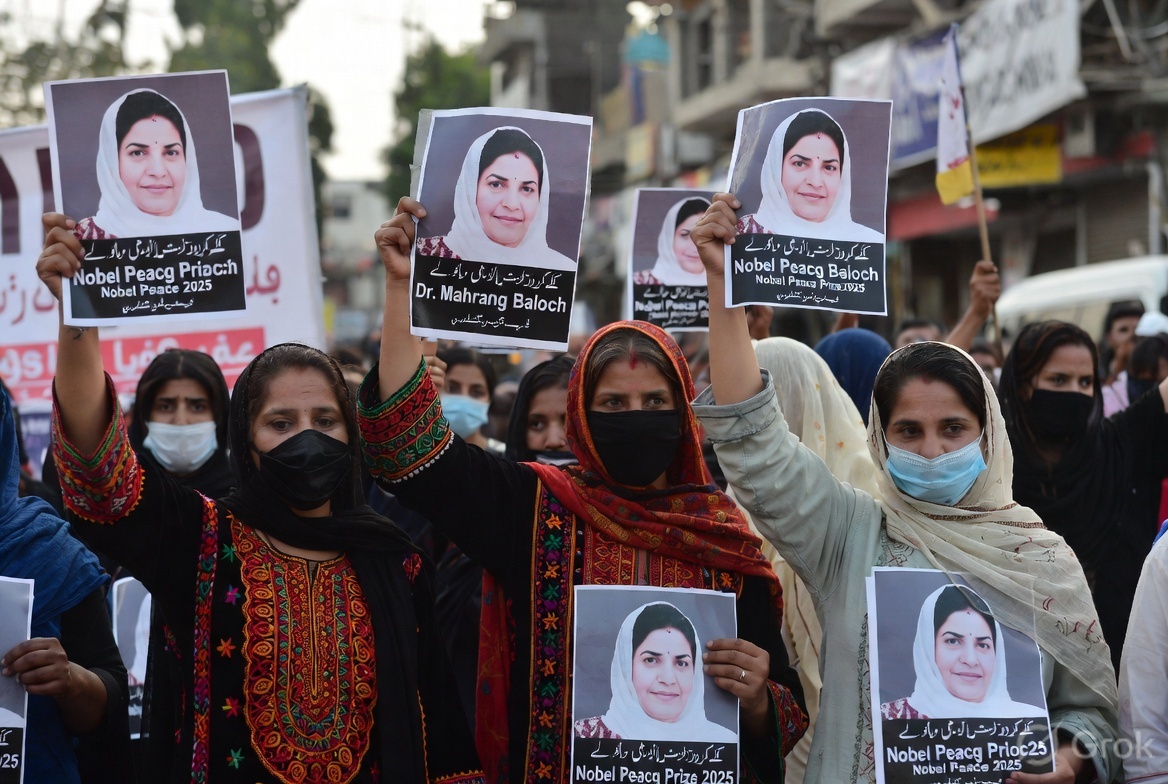
State Repression: Pakistan’s tool to control occupied regions
Two regions: Balochistan and Gilgit-Baltistan. Seven decades. One pattern: promises made, then broken. Know more about Pakistan’s use of force to answer peaceful questions there.

Beware! Extremists are sharing social media, encrypted apps space with you
Behind every terror investigation, chargesheet and arrest is a human story, often of a young person who began with a click, a follow request or a message on a platform.
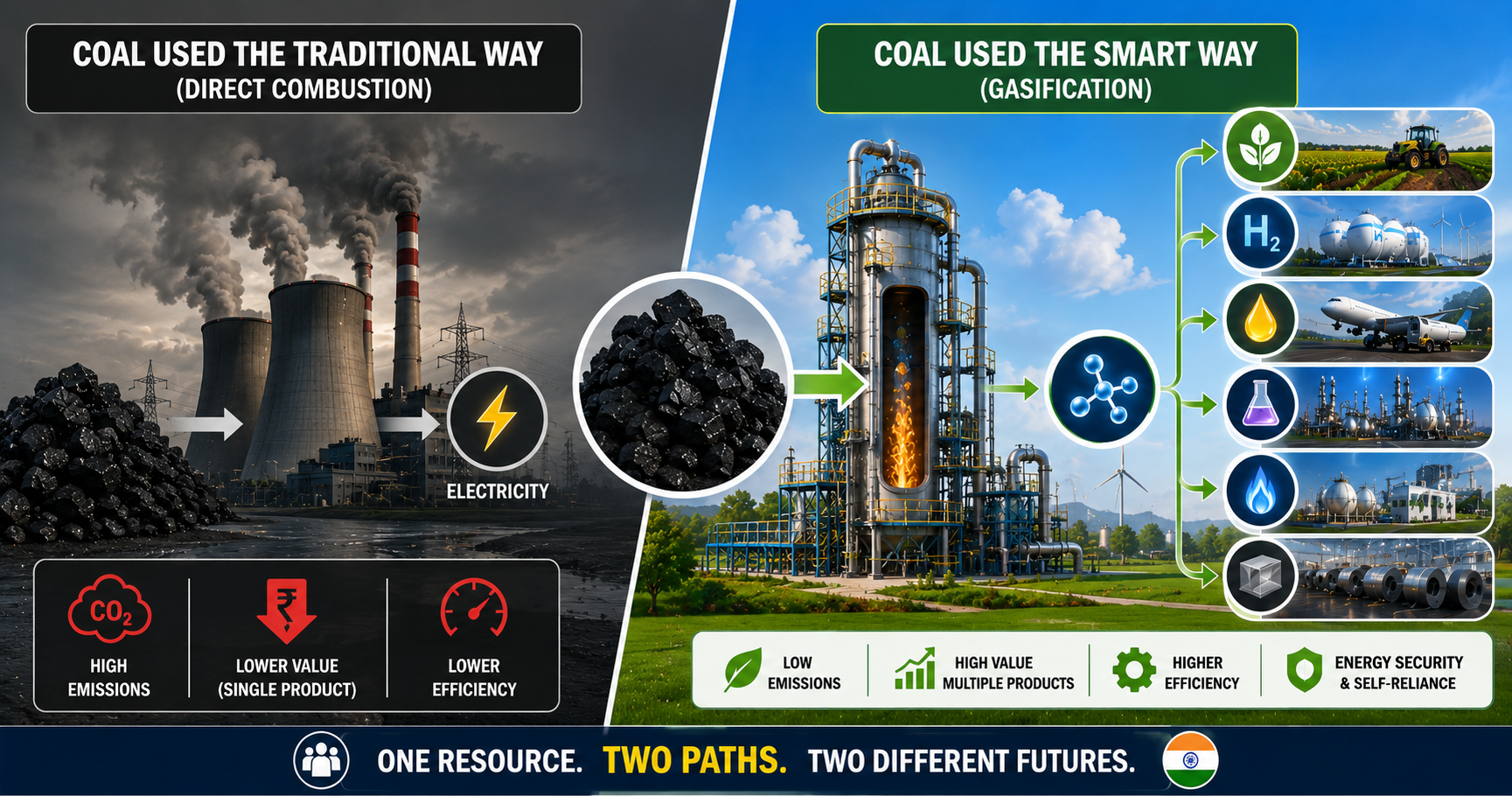
Coal Gasification: A Time-Tested Answer to a Modern Crisis
Coal gasification is a centuries-old technology gaining a renewed relevance in an era of energy insecurity and geopolitical uncertainty. For India, it opens vast opportunities.

India is Churning the Ocean in Search of Long-Term Energy Security
Natural gas discovery in the Andaman Sea is important for India’s energy security, and also strengthens India’s geopolitical influence in the crucial Malacca Strait region.
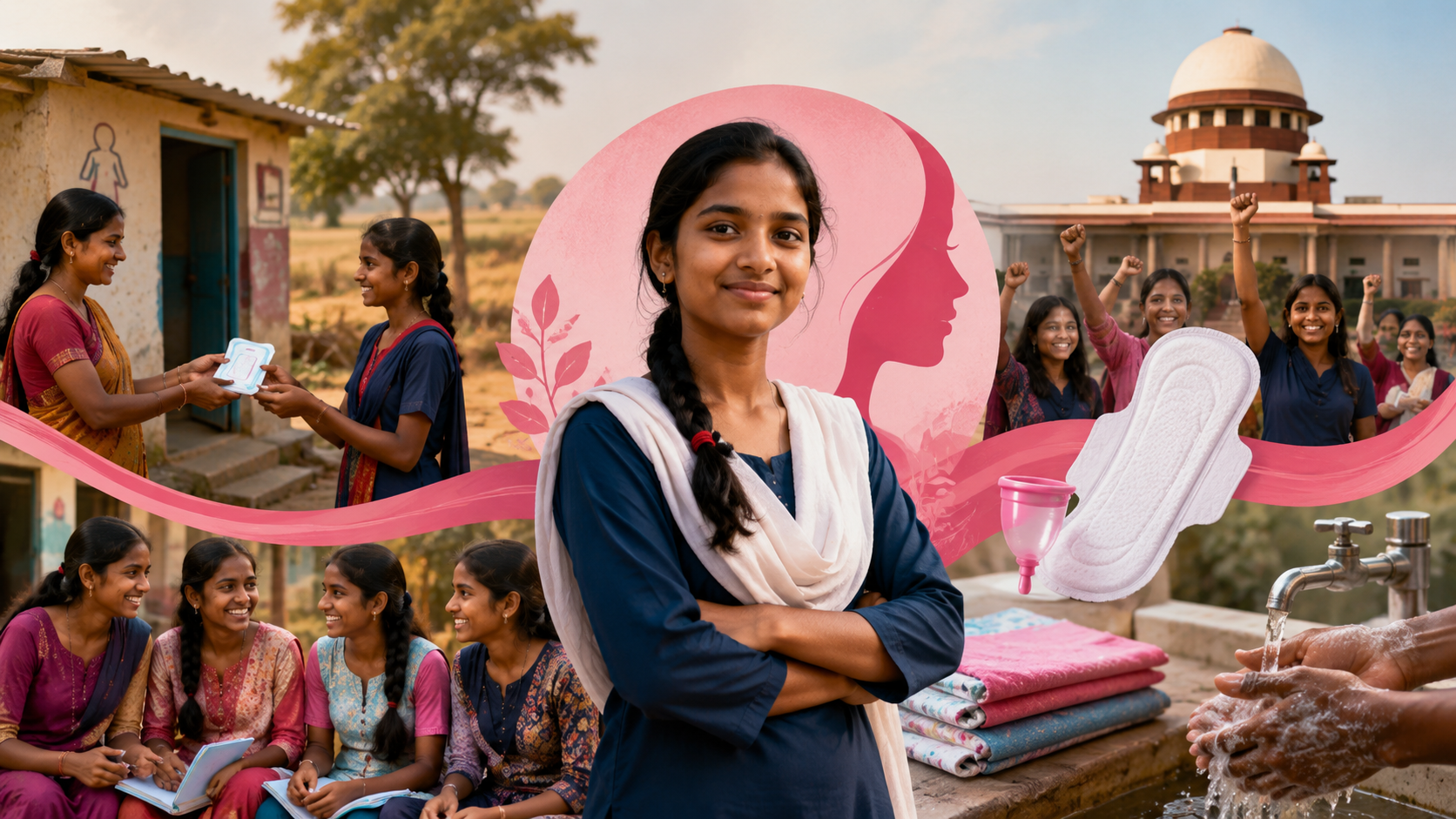
Menstrual Hygiene in India: From Taboo to Public Health Priority
79.2% of 15-24 year old women in India use hygienic methods of menstrual protection, states NFHS-6. Taboo is largely over. Now, what needs attention?
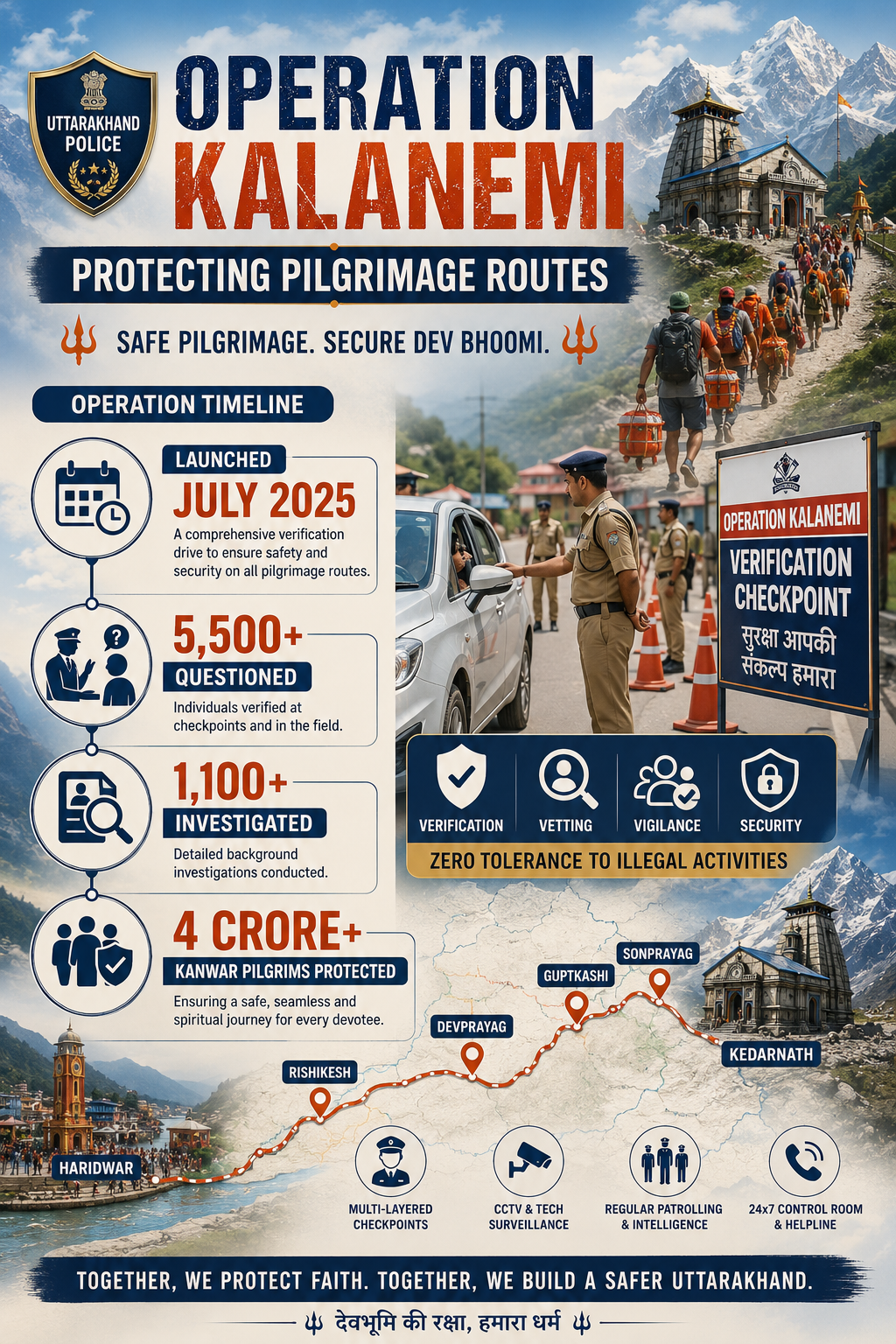
What is ‘Operation Kalanemi’ safeguarding ‘Devbhoomi’ Uttarakhand from?
Call it a model of cultural preservation, or a security-oriented governance strategy or a controversial experiment in state policy, Uttarakhand's initiatives including ‘Operation Kalanemi’ are likely to shape debates beyond its borders.
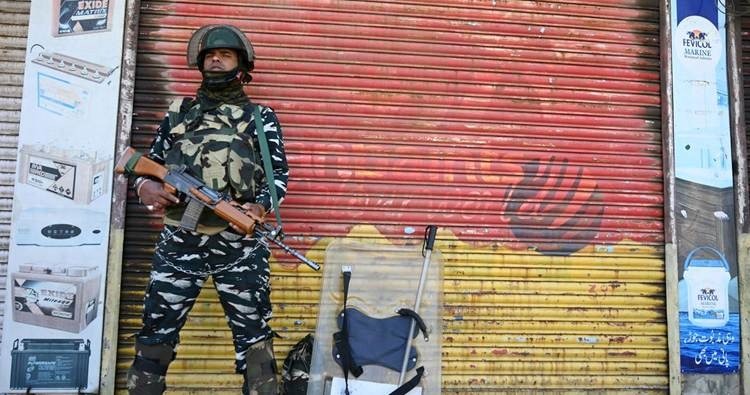
What made AFSPA withdrawal from the North-East possible?
Peace, not disturbance, can present a condition for withdrawal of AFSPA. This is what the North-Eastern region has shown.
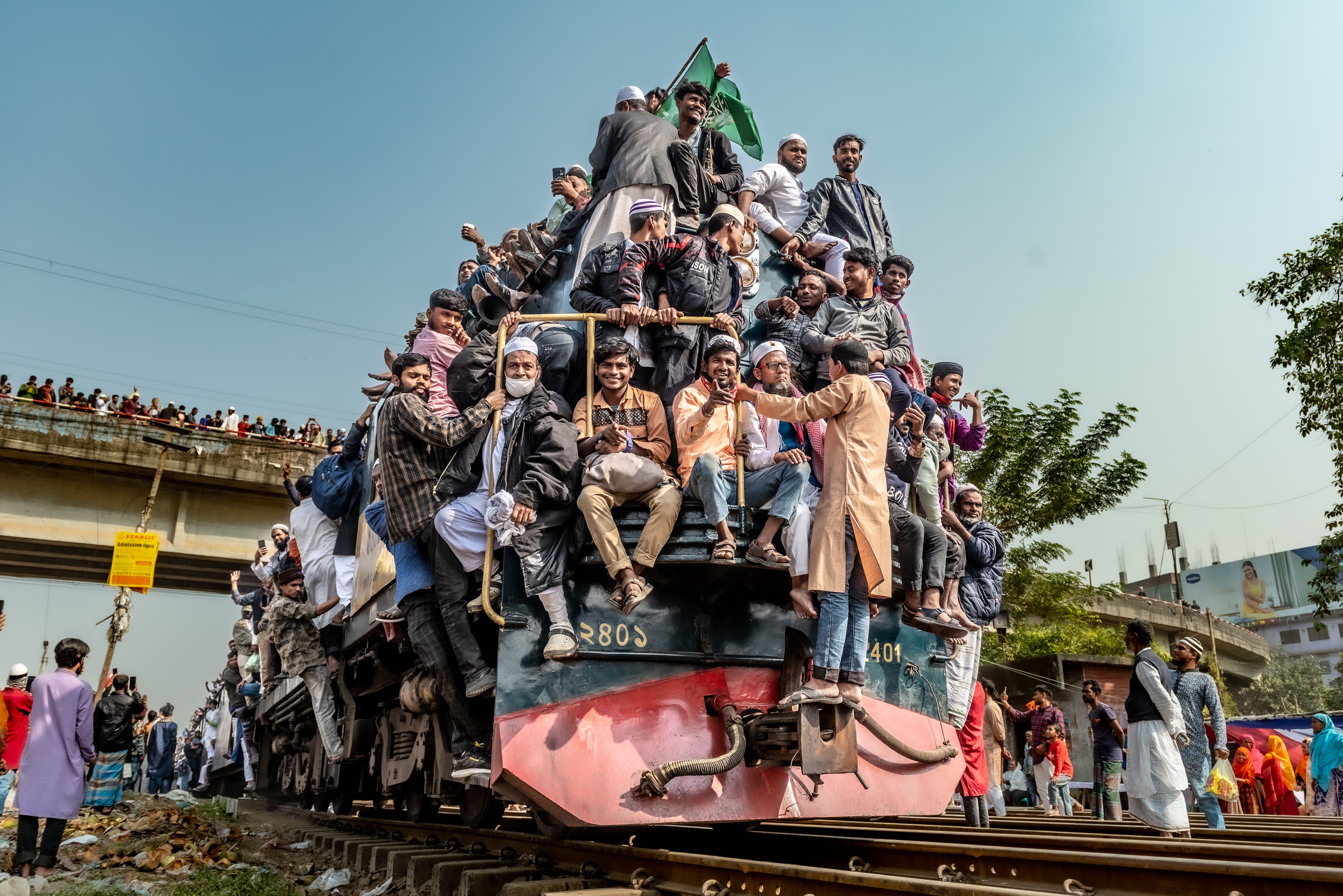
Counting What Counts: Understanding India’s Committee on Demographic Change
Globally, including in India, the majority’s share in population is declining. Indian neighbourhoods present a contrast. So, what’s the significance of the High-Level Committee on Demographic Change in India?