National Security & Challenges
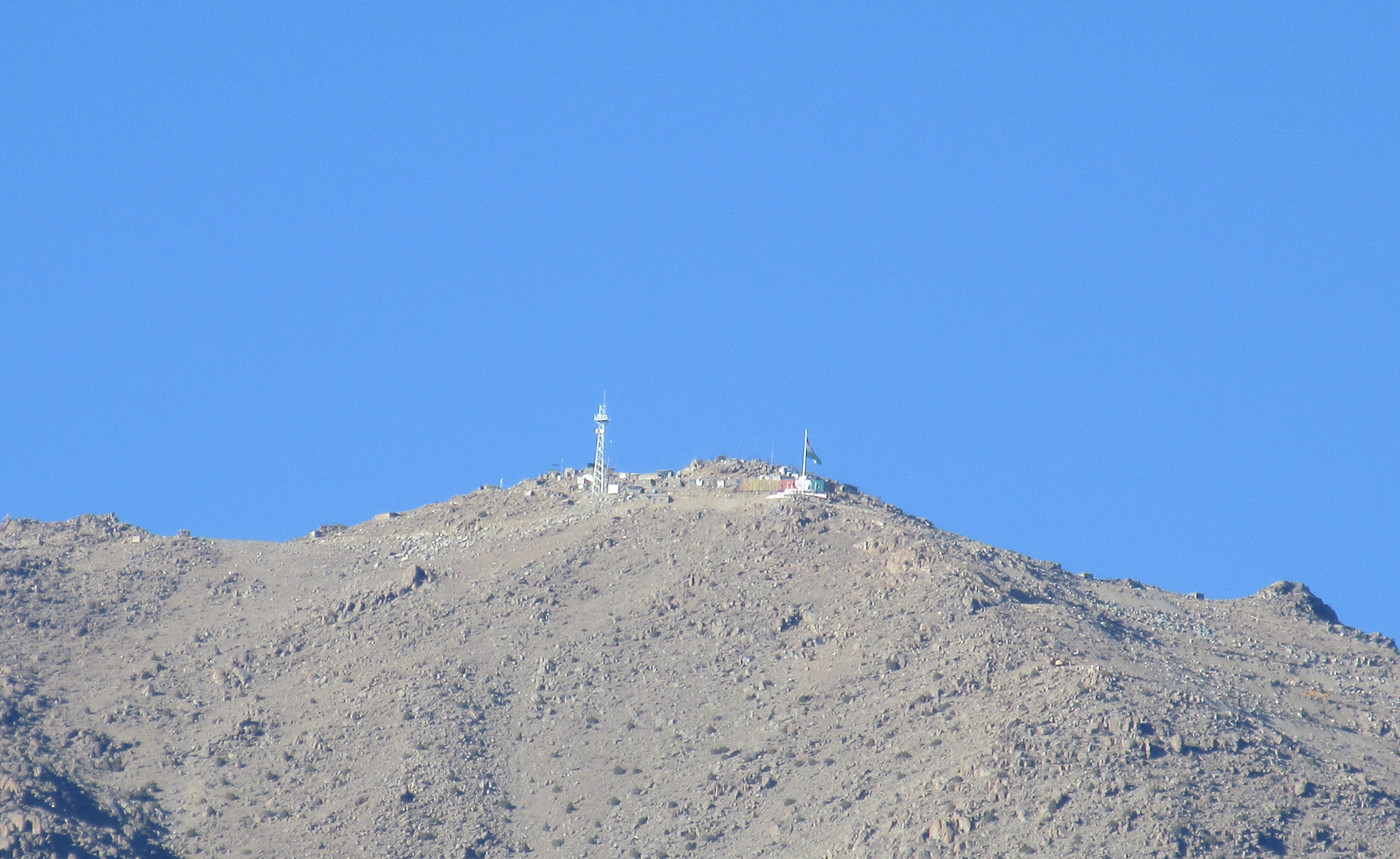
Pt 13620: Saga of a crucial but less-known feature of Kargil
Taken. Returned. Taken. Returned. Finally captured by India in 1971 from Pakistan. Still, discussions about the Kargil War of 1999 miss Pt. 13620 that dominates the Kargil region.

CJP, China, and Soros Connection: Conspiracy Theory or Unanswered Questions?
The Cockroach Janata Party’s march turned out to be way different from students’ protest and attracted allegations of foreign hand. How much truth is there in these allegations?
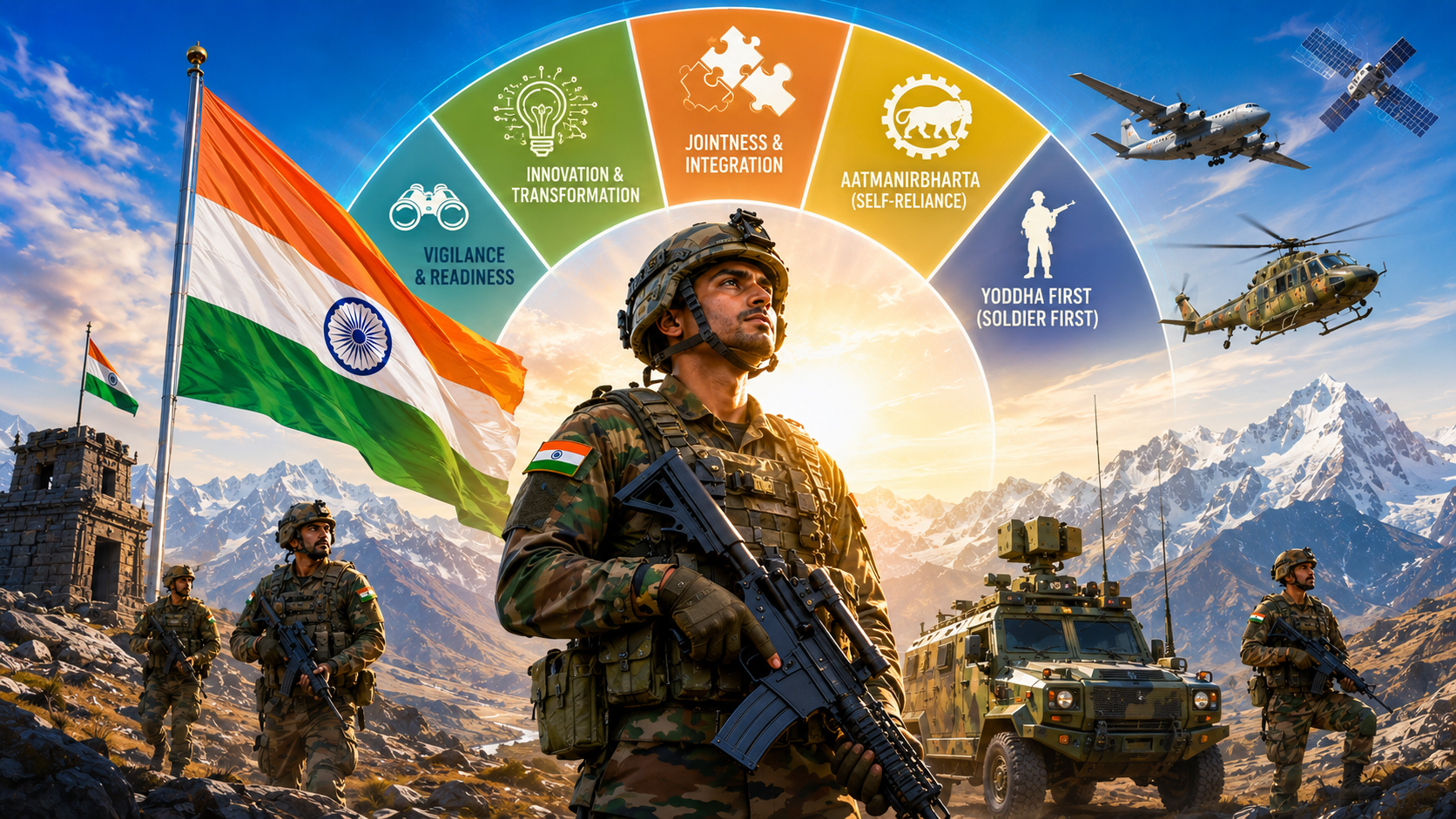
Future begins with the ‘Soldier’: Understanding the ‘VIJAY’ Vision
The Indian Army’s ‘VIJAY’ vision emphasises that India's greatest weapon will continue to be the confidence, capability and courage of its soldiers.
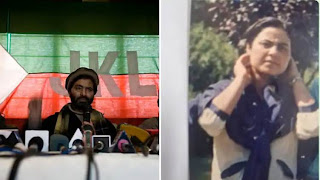
The Sarla Bhat case and Kashmir's long road to justice
The SIA's 737-page chargesheet against Yasin Malik in the 1990 Sarla Bhat murder revives a 36-year-old terror case, marking a significant step toward accountability for insurgency-era crimes in Kashmir.

Indigenous NETRA strengthens India’s air-borne defence
With indigenous NETRA AEW&C receiving Final Operational Clearance, India has strengthened its ability to detect aerial threats early while reducing reliance on imported surveillance systems.
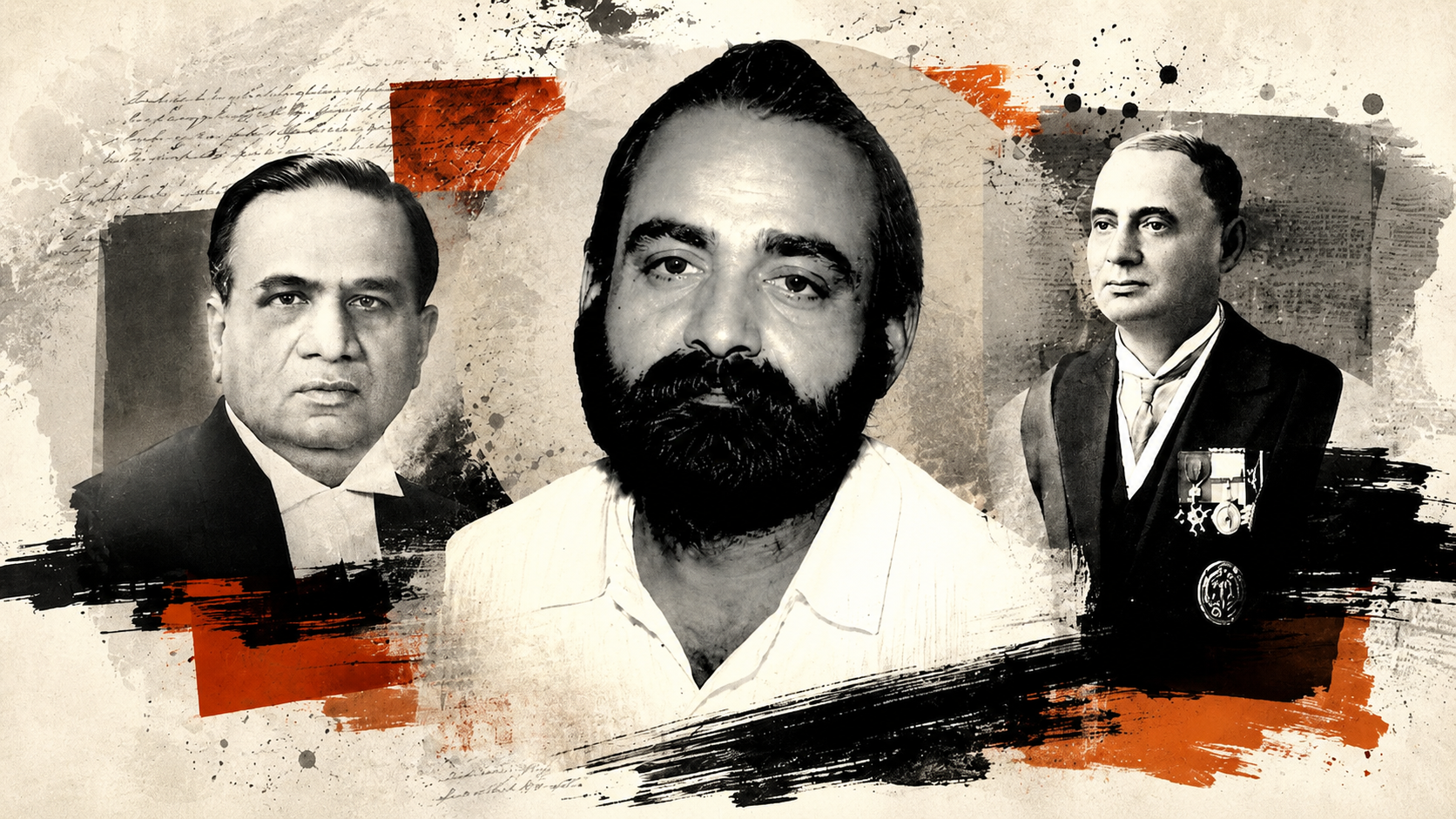
Renamed Suhrawardy Avenue: Revisiting the Great Calcutta Killings, Gopal Patha and Bengal’s contested past
Kolkata's renaming of Suhrawardy Avenue to Gopal Mukherjee Road has revived debate over the legacy of the 1946 Great Calcutta Killings and the politics of historical memory in Bengal.
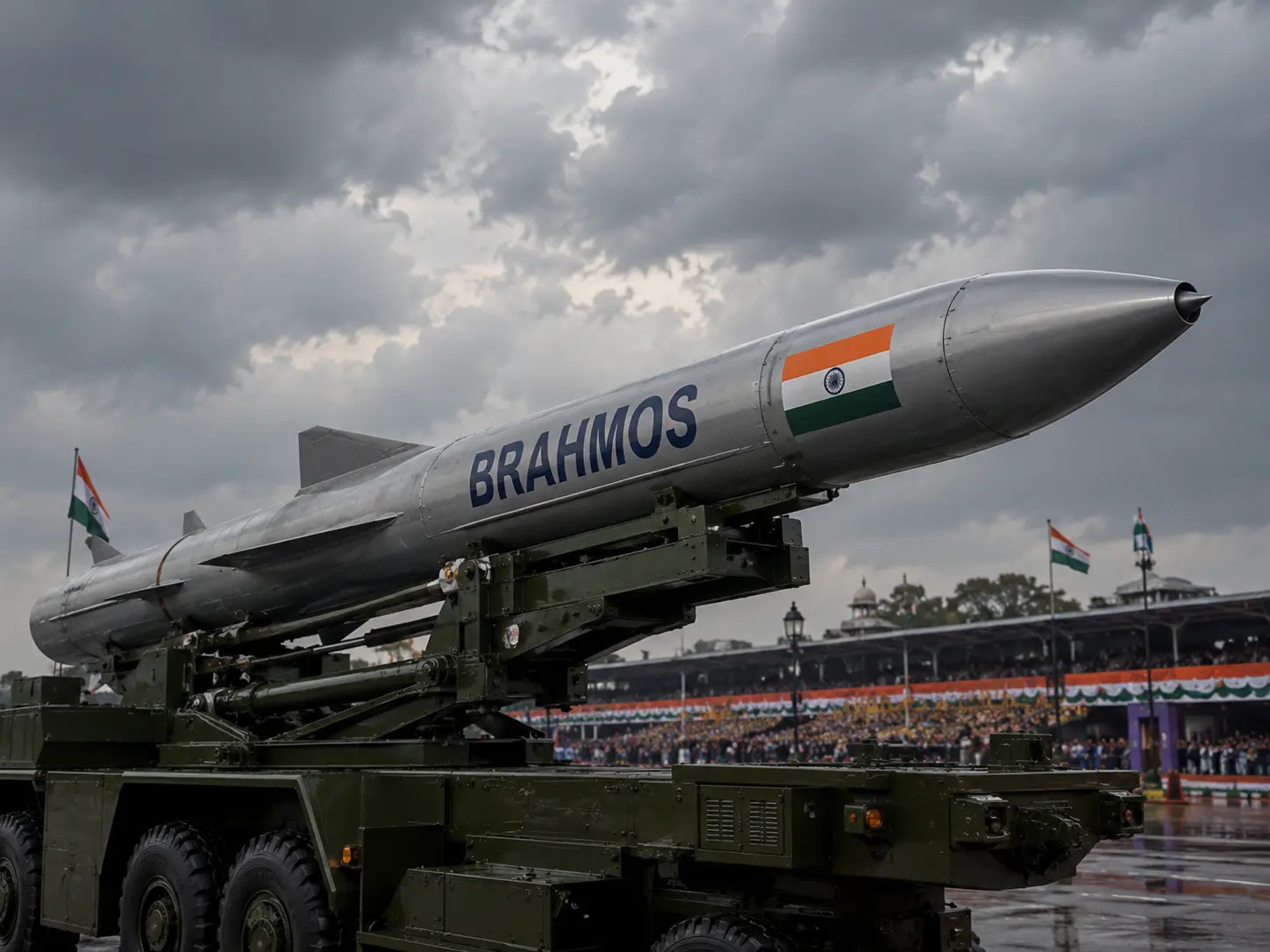
BrahMos: The battle-tested missile behind India’s growing global influence
The rise of BrahMos is the story of how sustained investment, indigenous production and operational success combined to create one of India's most valuable strategic assets.
The evolution of India's FCRA: From the Emergency era to the 2026 reforms
Tracing five decades of reform, this article explains how India's FCRA evolved to modernise foreign funding regulation and address emerging administrative and security challenges.
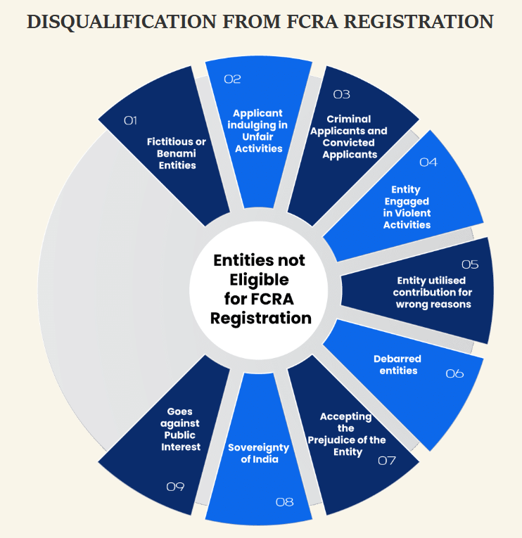
Foreign funds widening domestic faultlines? Is that why India is reimagining FCRA?
The debate around FCRA is no longer ‘NGOs versus Government’. It’s about how a nation safeguards its sovereignty when funding casts greater influence than force.

Charity, activism & the debate over foreign funding in India
Debate over FCRA comes into play when foreign funding meant for charitable purposes is allegedly used to influence public policy, fund activism, and mobilise people.
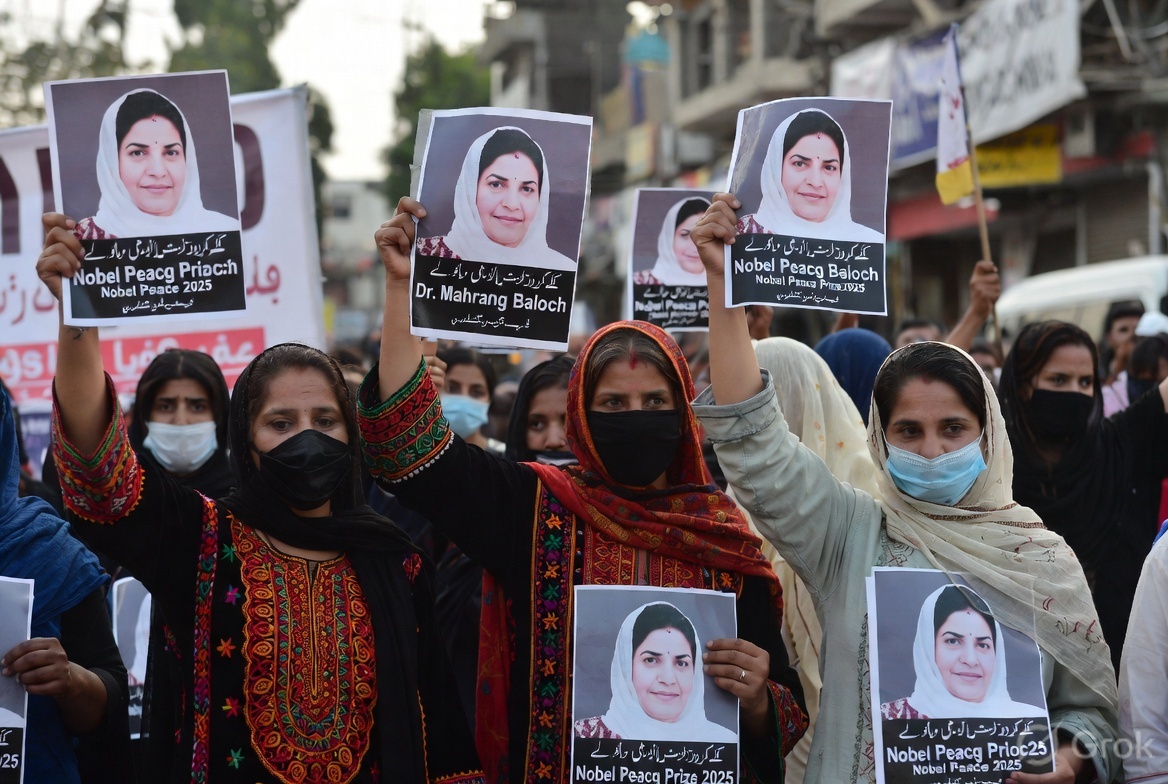
State Repression: Pakistan’s tool to control occupied regions
Two regions: Balochistan and Gilgit-Baltistan. Seven decades. One pattern: promises made, then broken. Know more about Pakistan’s use of force to answer peaceful questions there.

Beware! Extremists are sharing social media, encrypted apps space with you
Behind every terror investigation, chargesheet and arrest is a human story, often of a young person who began with a click, a follow request or a message on a platform.