Politics & Governance
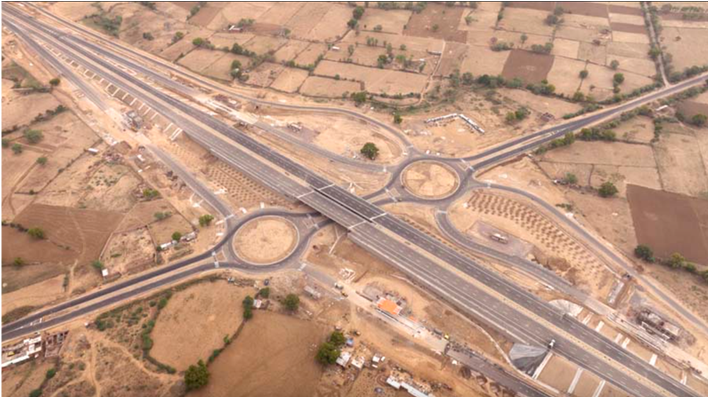
Land pooling: transforming landowners into development partners
Land pooling turns landowners from project-affected persons into equity-holding partners, boosting infrastructure development. The long-term success of the model depends on trust, a unified framework, and timely delivery.
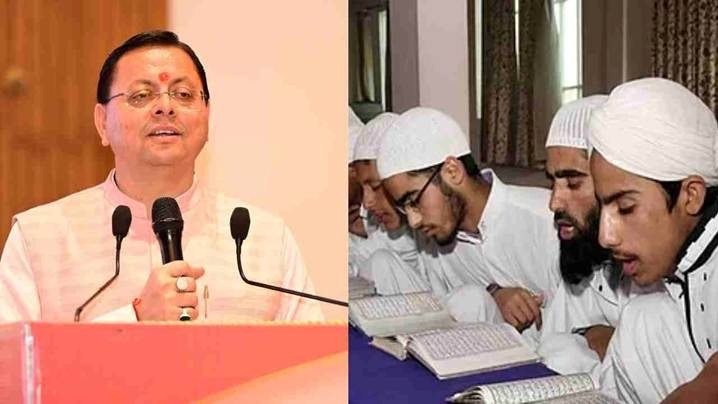
Ground-breaking reform: Uttarakhand brings all minority institutions under one authority
Uttarakhand replaces its Madrasa Education Board with a unified minority authority, combining religious instruction with modern curricula, common standards and wider opportunities for students
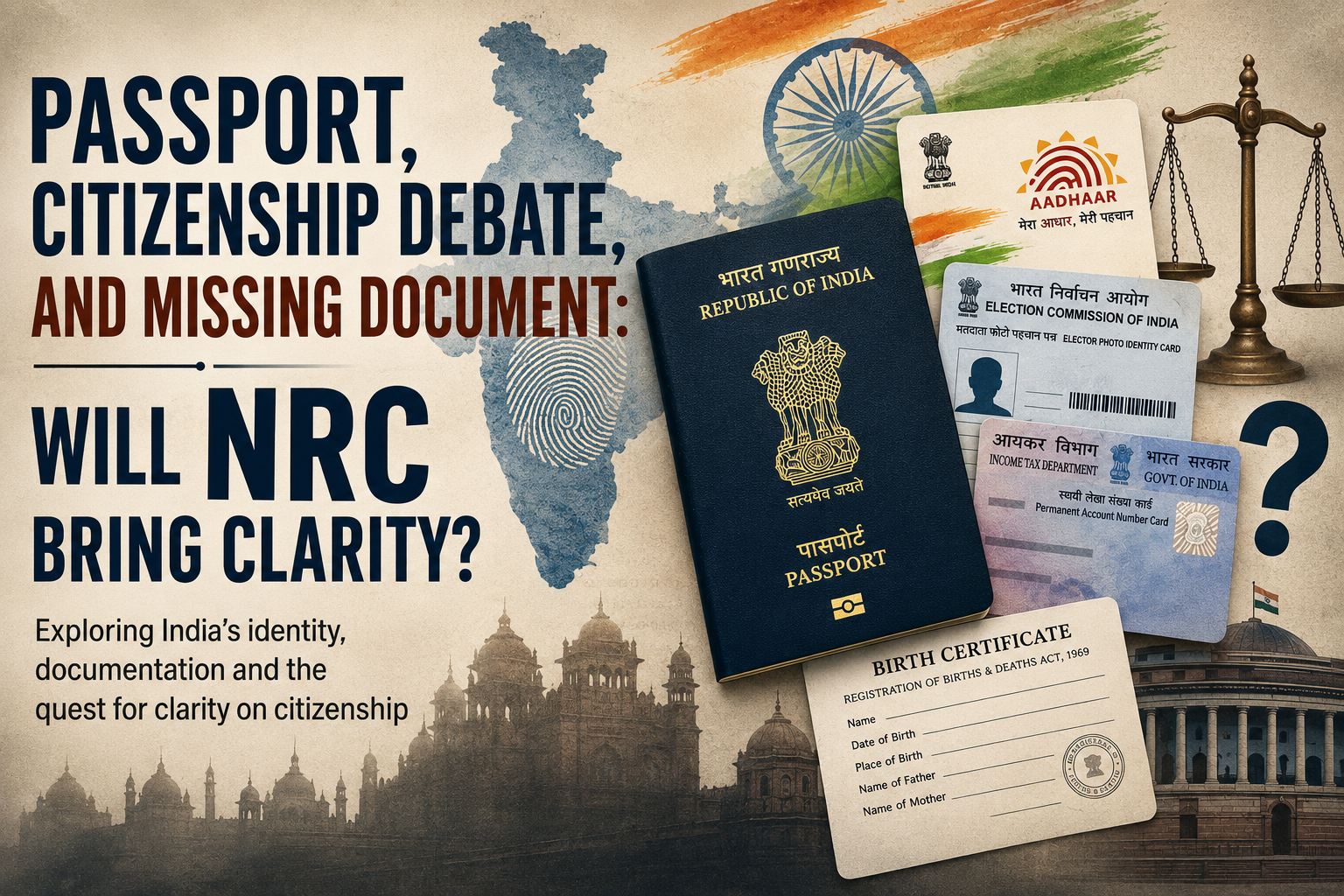
Passport, citizenship debate and missing document: Will NRC bring clarity?
A recent statement on passport being merely a travel document has triggered an intense debate over what constitutes proof of citizenship. We dive deep looking for answers.

Gadchiroli Model: turning ‘Red Corridor’ into ‘Growth Corridor’
Gadchiroli is transforming from a Naxal stronghold into an industrial hub through mining, infrastructure, rehabilitation, and locally rooted economic development.
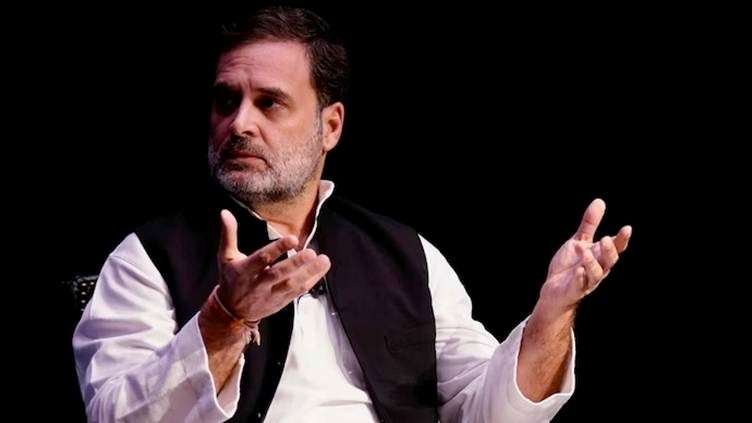
Rajya Sabha 2026: Why Congress keeps losing winnable battles while BJP turns numbers into power
The 2026 Rajya Sabha elections exposed Congress's organisational weaknesses, while the BJP once again demonstrated disciplined planning, effective coordination and superior political execution.
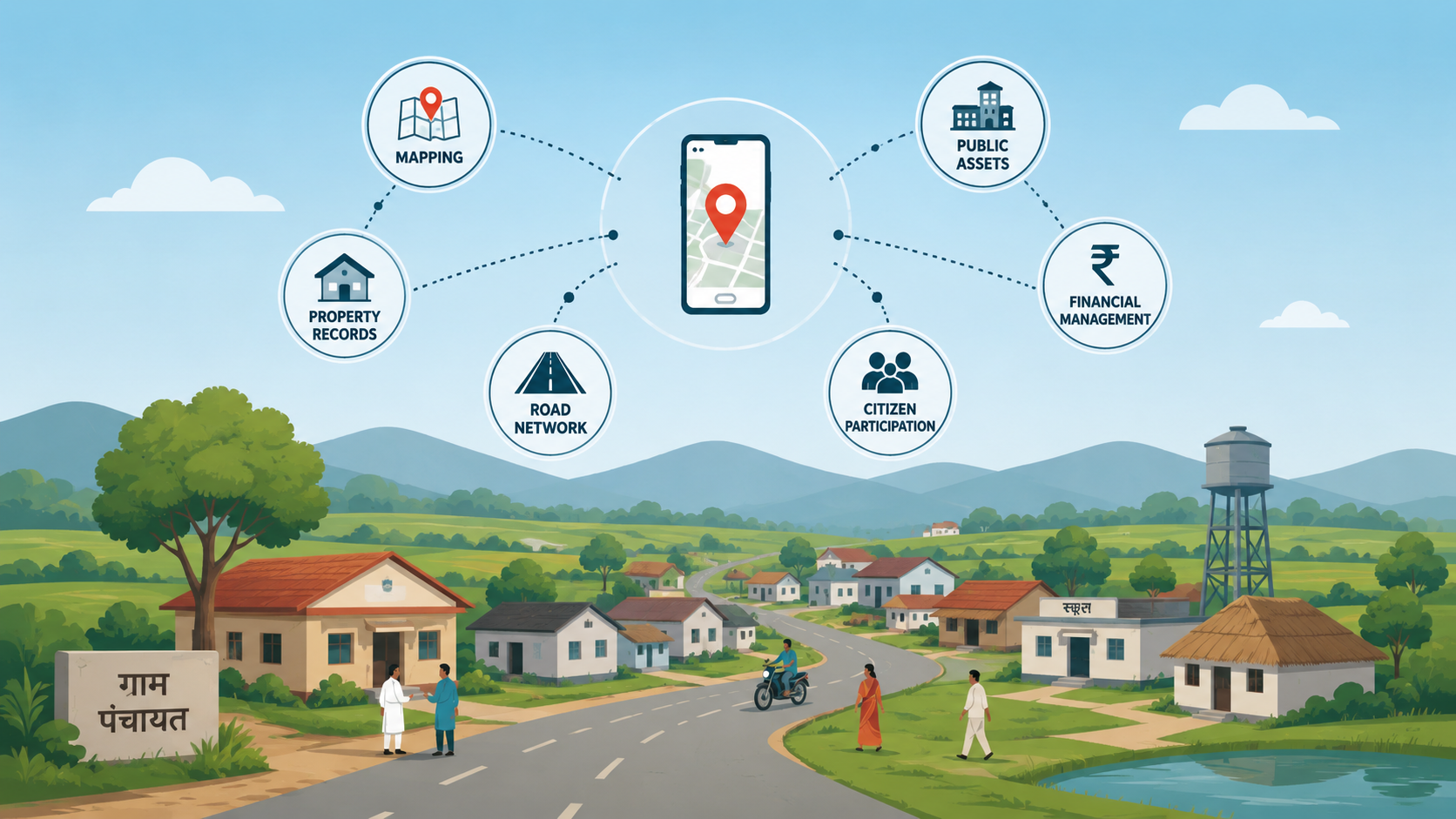
Digital records connect India’s villages to one governance network
From drone surveys to digital addresses and eGramSwaraj, India is creating data systems that help panchayats plan, fund and deliver services better.
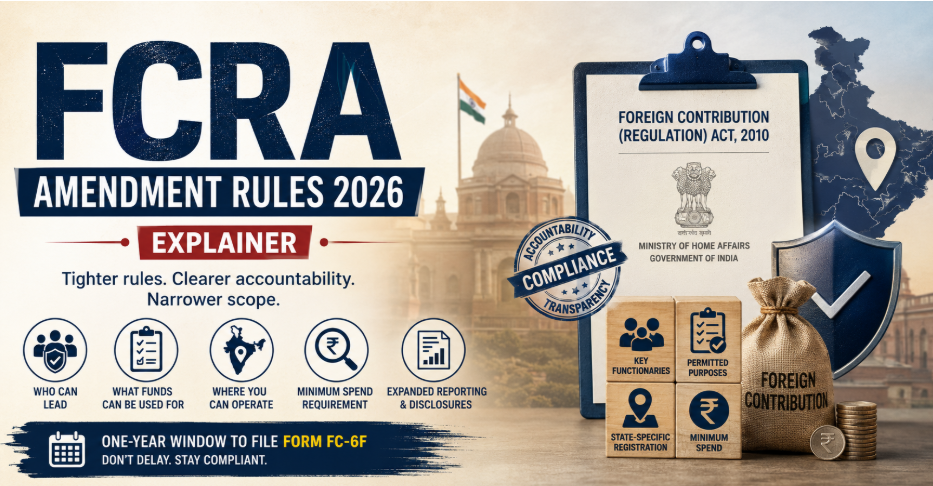
FCRA Amendment Rules 2026: A structural shift with legal weight
India tightened FCRA rules in June 2026, restricting foreigners from leading NGOs, what they can spend foreign funds on, and where.
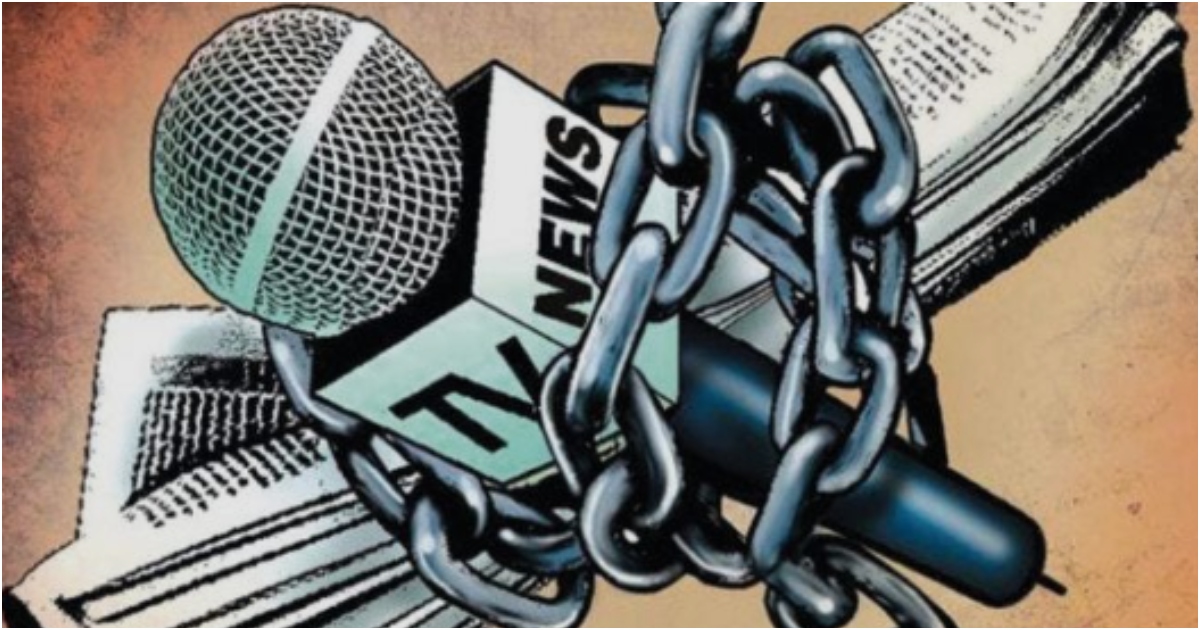
Press freedom in India and world index: Assessment or bias?
Does the World Press Freedom Index present a correct assessment of media freedom in various countries, or does it reflect bias? Deep-dive reveals layers.
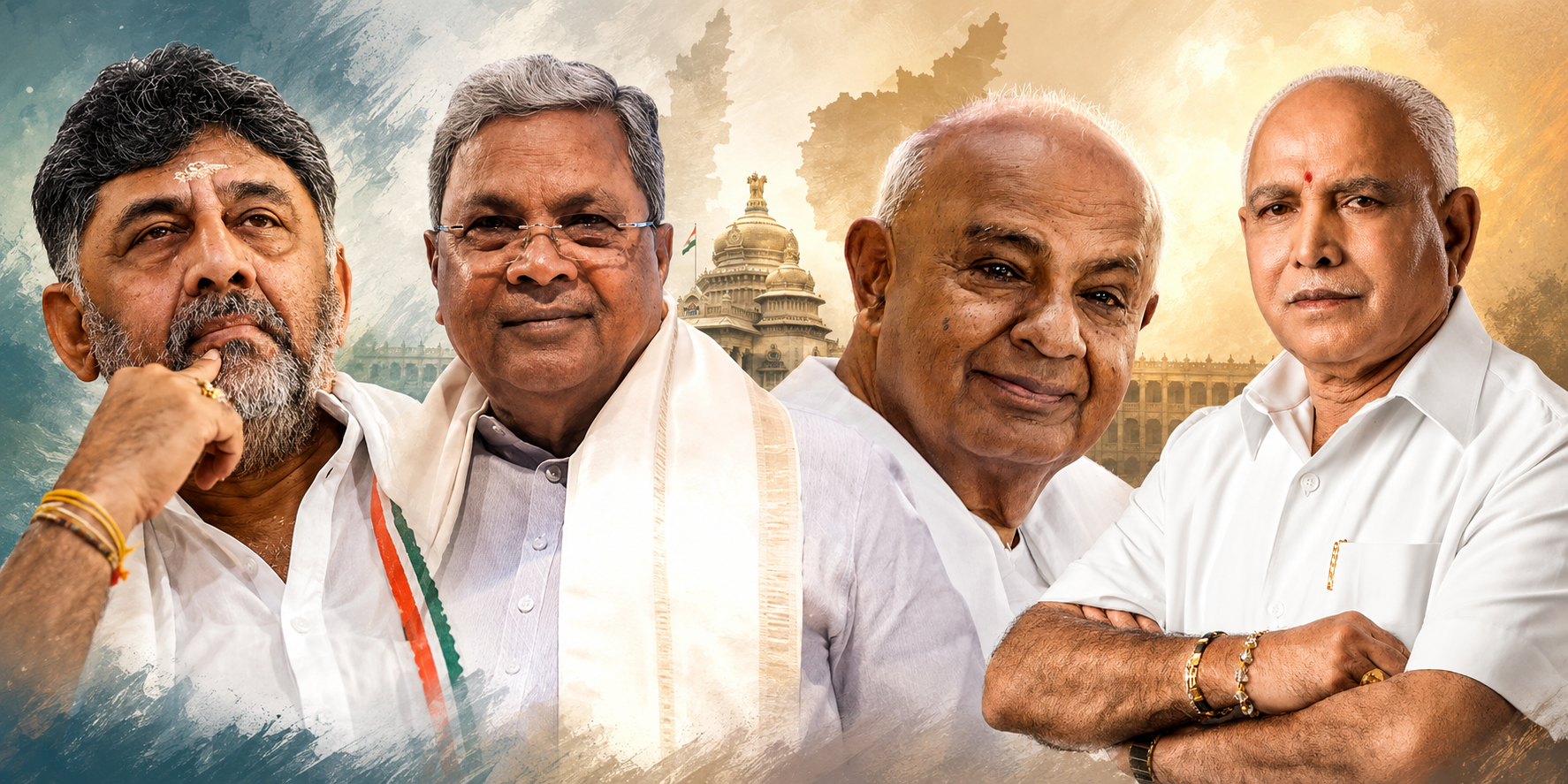
Leadership change in Karnataka reopens political contest
Shivakumar's elevation as CM is not just about an individual leader. It reflects deeper shifts in Karnataka's caste equations, political alliances, and long-standing power structures that influence the state's politics.
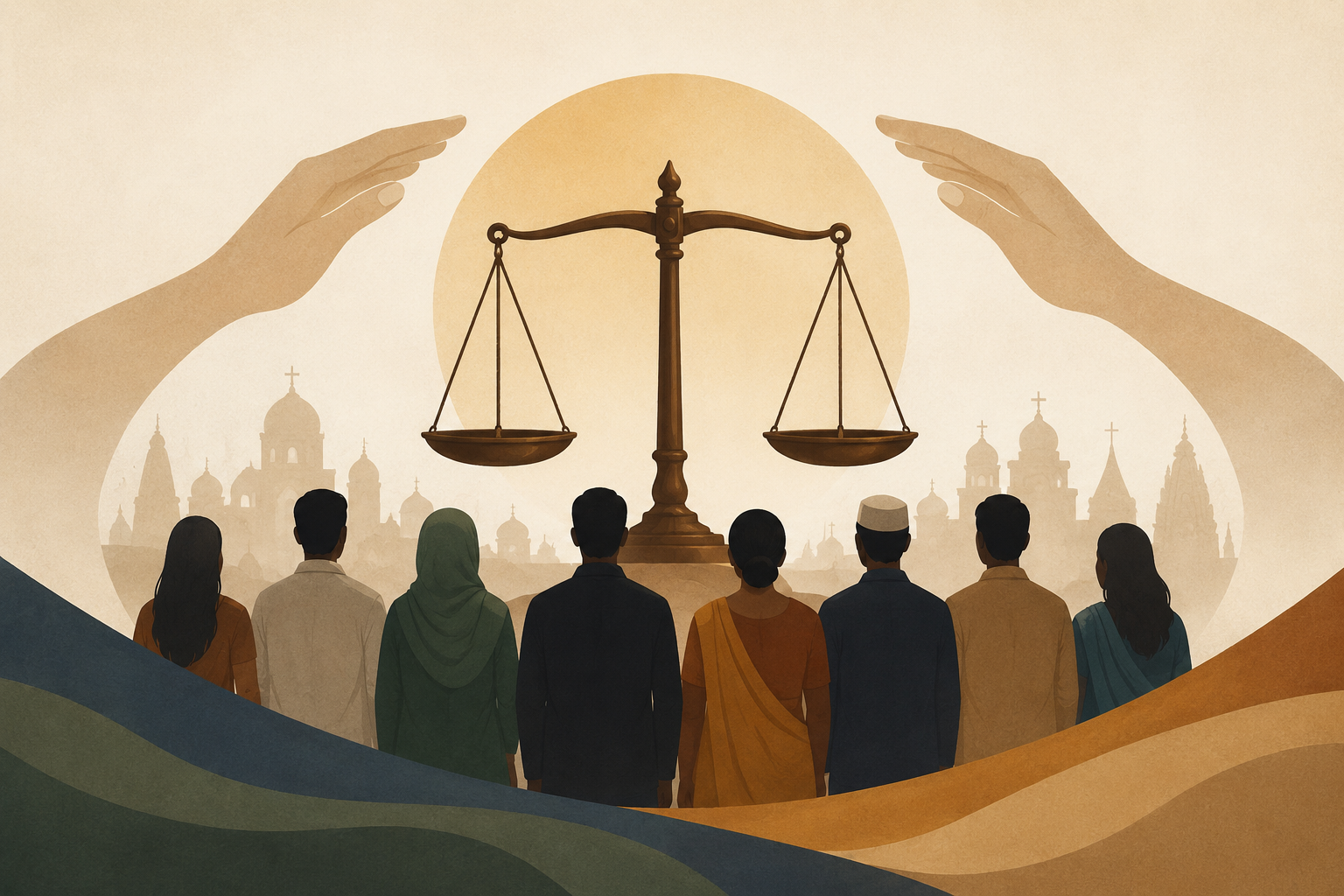
One nation, many laws: Does India need UCC?
India's fragmented personal laws create unequal standards for marriage, inheritance, and adoption based on religion. A UCC seeks to replace this with a common legal framework, using precedents like Goa's Common Civil Code and recent state-level enactments in Uttarakhand to promote gender equality and unified civil rights.
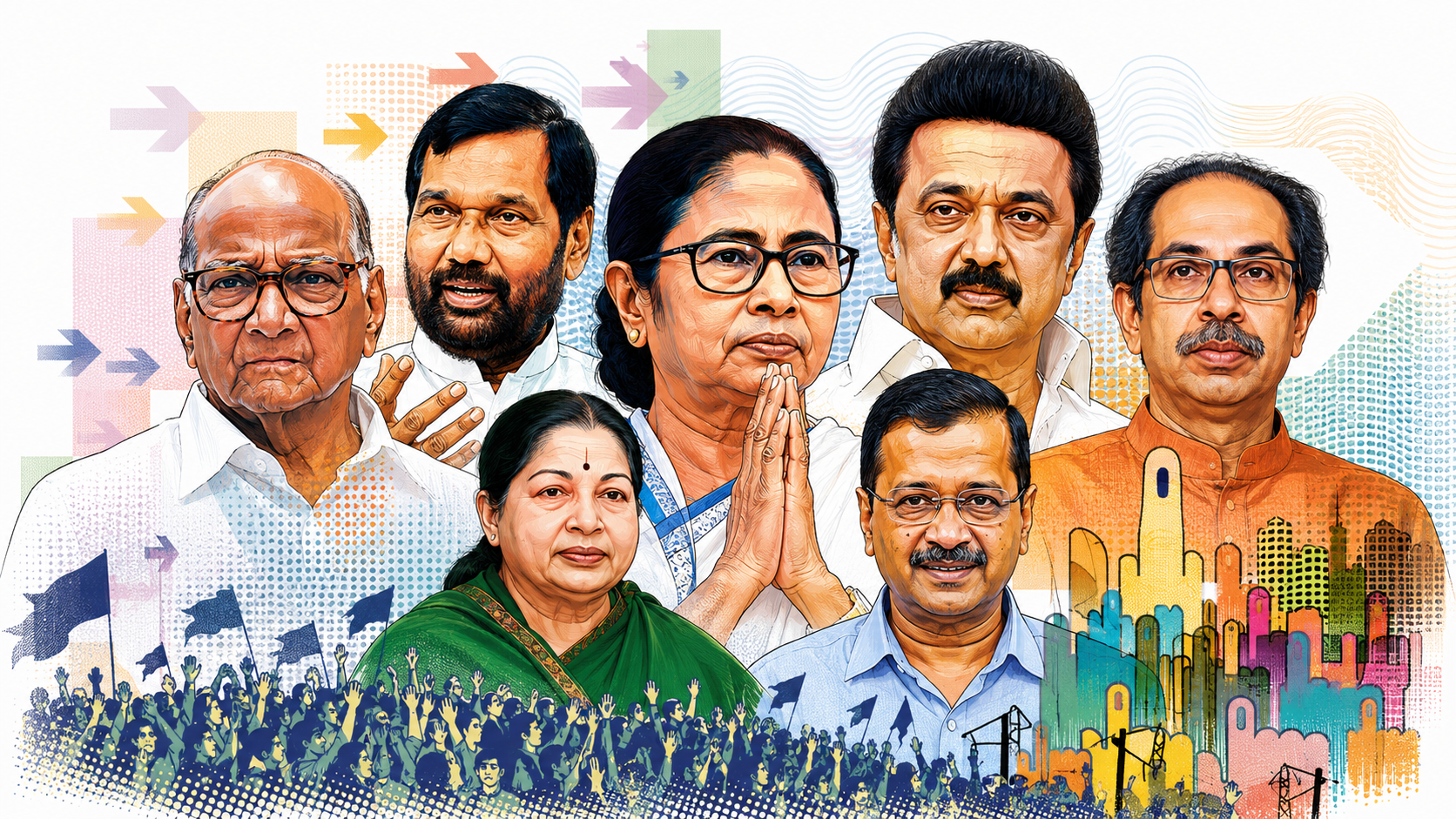
Why are regional parties prone to a split?
After defeat in West Bengal polls, TMC is facing a split. India has seen such disintegrations earlier too. But, why do regional parties face the split?
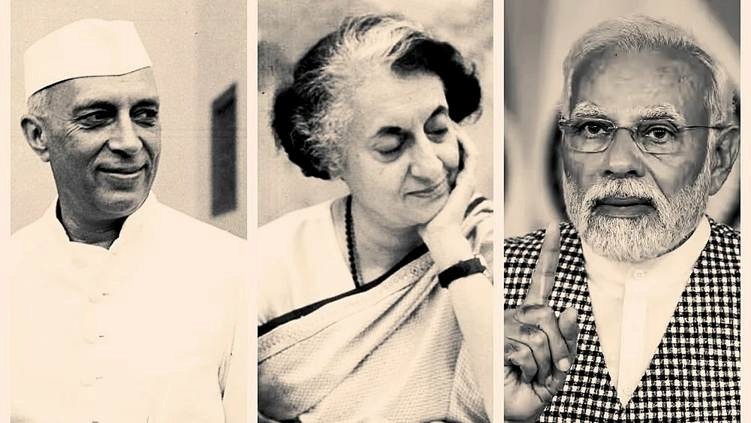
Assessing India’s three longest-serving prime ministers on 5 key parameters
Jawaharlal Nehru, Indira Gandhi, and Narendra Modi are India's three longest-serving prime ministers, each leading the country through distinct phases of its post-independence journey. Their leadership can be assessed across five key parameters: nation-building, democracy, national security, economic development, and foreign policy, offering insights into how their decisions shaped modern India.