
Introductory Memo
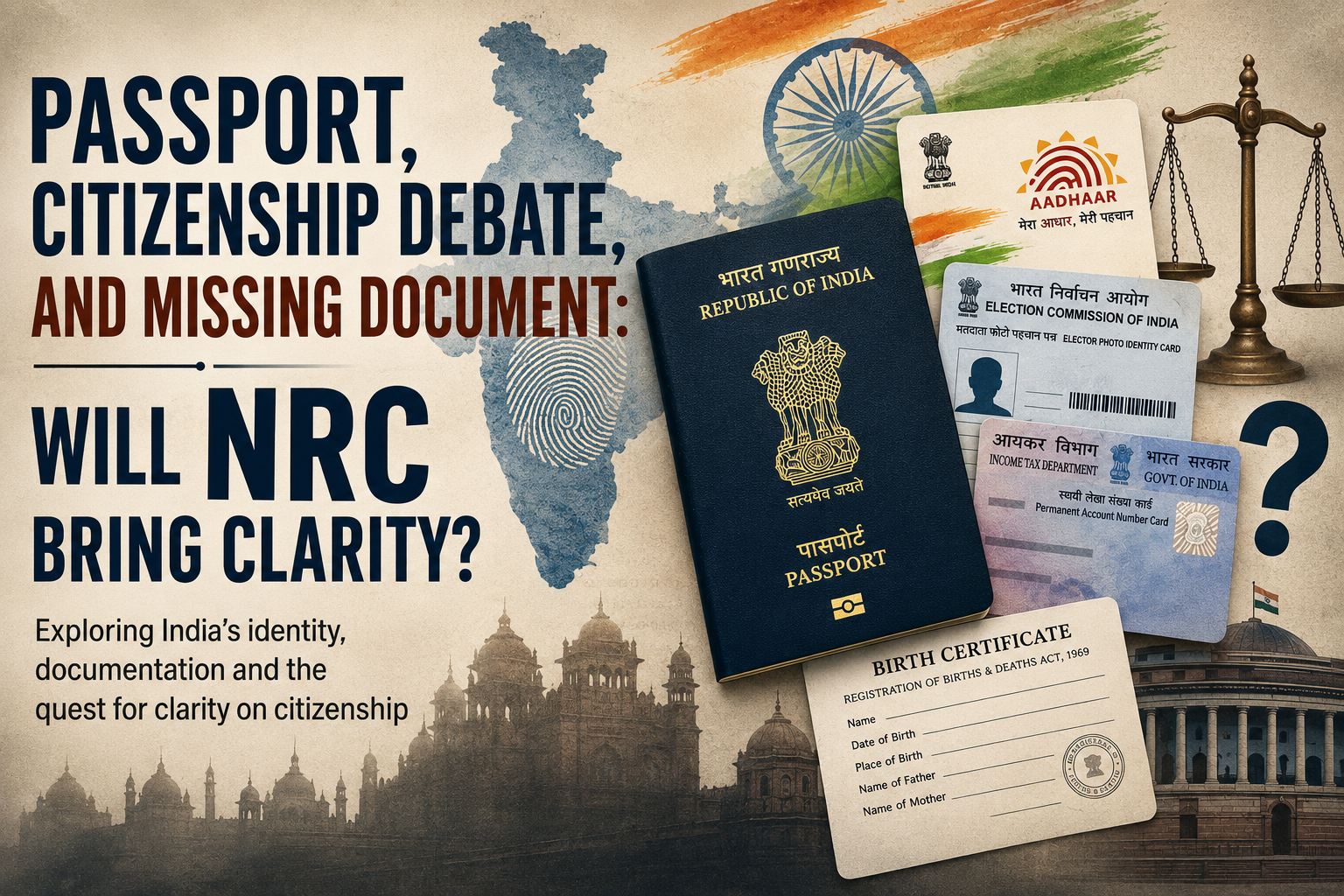
The Ministry of External Affairs (MEA) statement that an Indian passport is essentially a travel document and not conclusive proof of citizenship, has triggered a fierce public debate. For millions of Indians, it appeared counterintuitive. After all, obtaining a passport involves document scrutiny, police verification, biometric checks and government approval. If a passport cannot conclusively establish citizenship, many asked, then what can?
The controversy did not arise because the law had changed. It exposed a long-standing reality at the heart of India's identity architecture – the country has never created a single universal citizenship document. Citizenship is determined through a combination of constitutional provisions, laws, ancestry records, birth registration and documentary evidence accumulated over a person's lifetime. The debate has reopened larger questions about citizenship, identity, migration, documentation, the National Register of Citizens (NRC) and the unfinished challenge of building a comprehensive civil registration system in the world's most populous nation.
No comments yet. Be the first to share your thoughts!