Latest InfoPacks
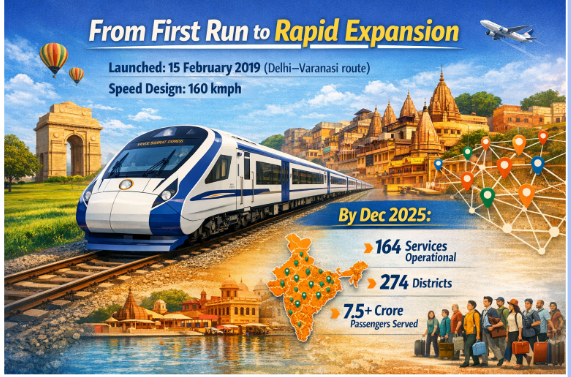
India’s railways turn the corner with modernisation and speed
From stalled plans to execution, India’s railways embrace speed, safety and self-reliance, reshaping everyday travel with modern, passenger-focused innovation.
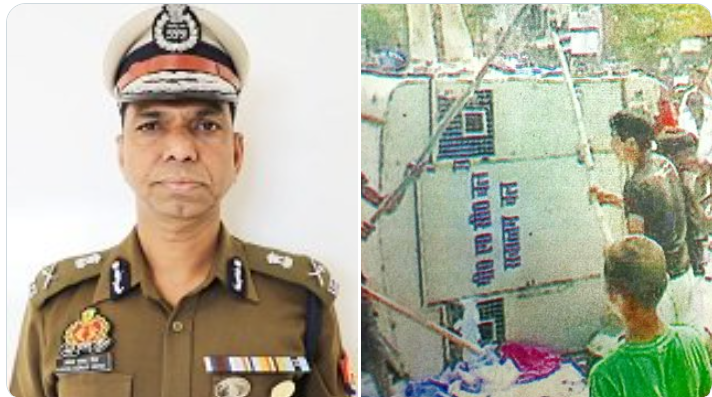
The 2011 UP case and the pattern of mob attacks against police
A Moradabad court's verdict sentencing 16 men to life imprisonment for the 2011 mob attack on IPS officer Ashok Kumar Singh brings attention back to questions about recurring mob violence against police.
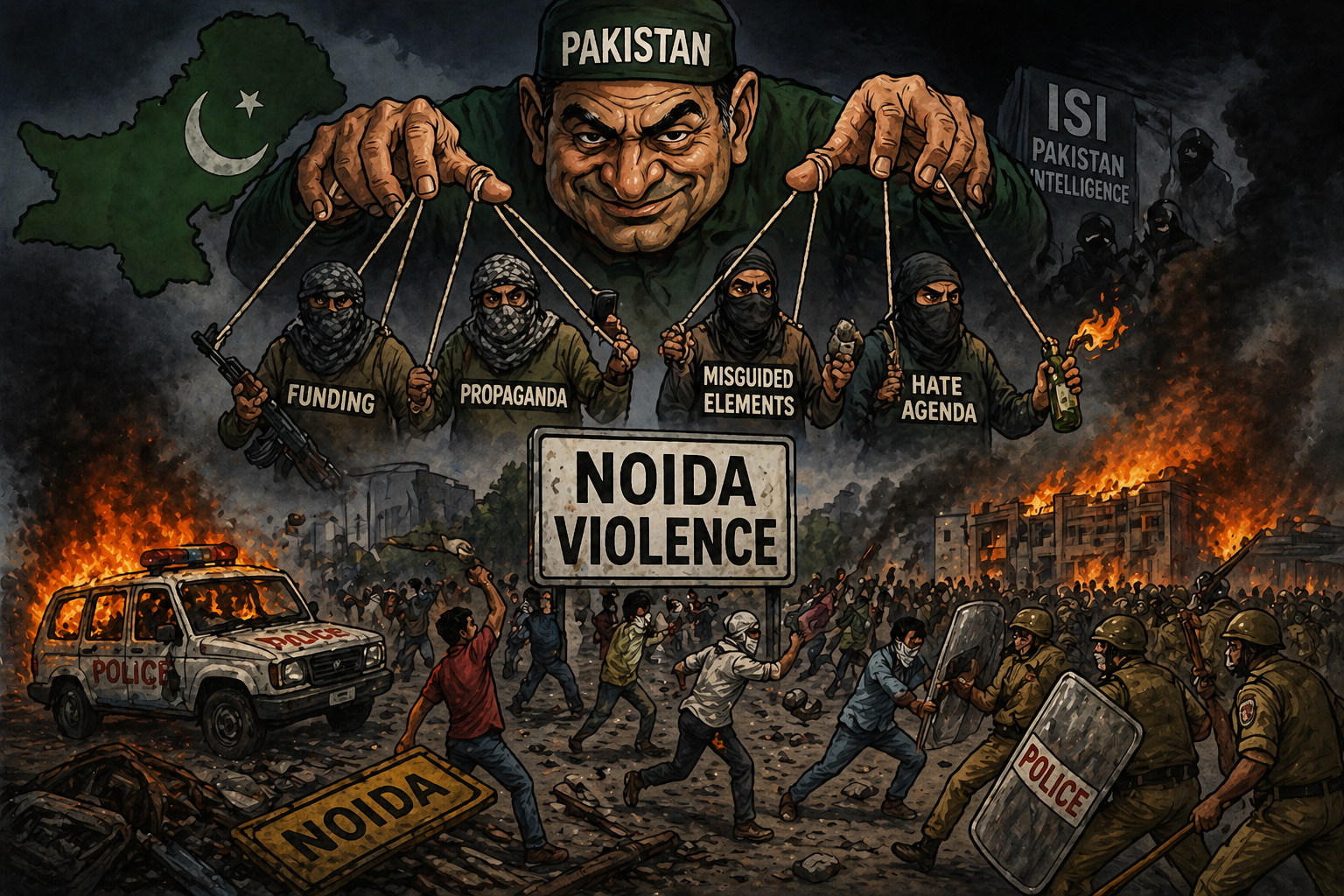
Noida protests in the age of information warfare
The Noida worker protests escalated due to misinformation and instigation. Investigations suggest external elements amplified local grievances, involving a suspected Pakistani misinformation campaign to fuel disruption.
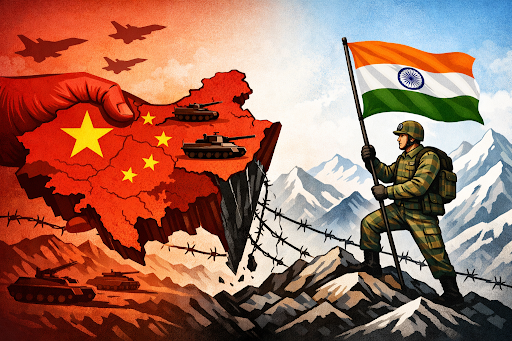
Cartographic aggression: Communist China’s tool for PsyWar
India stands firm against China’s map revisions and renaming, declaring that arbitrary lines on foreign maps never supersede sovereign reality.
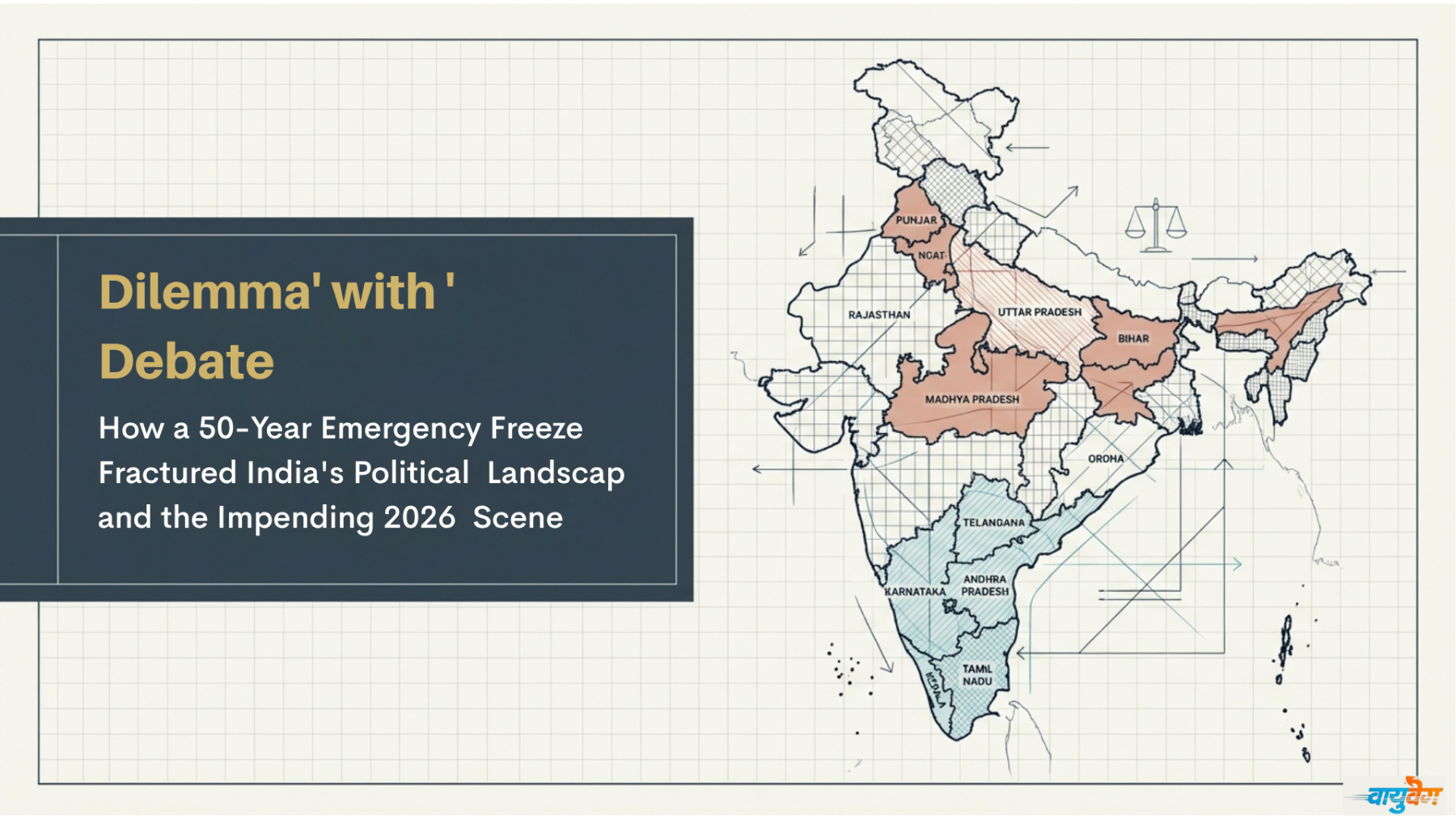
Census-Delimitation Correlation: How Emergency Freeze Created disparities in India’s political dynamics
The 1976 freeze on delimitation suspended the upward revision in the representation to various States.
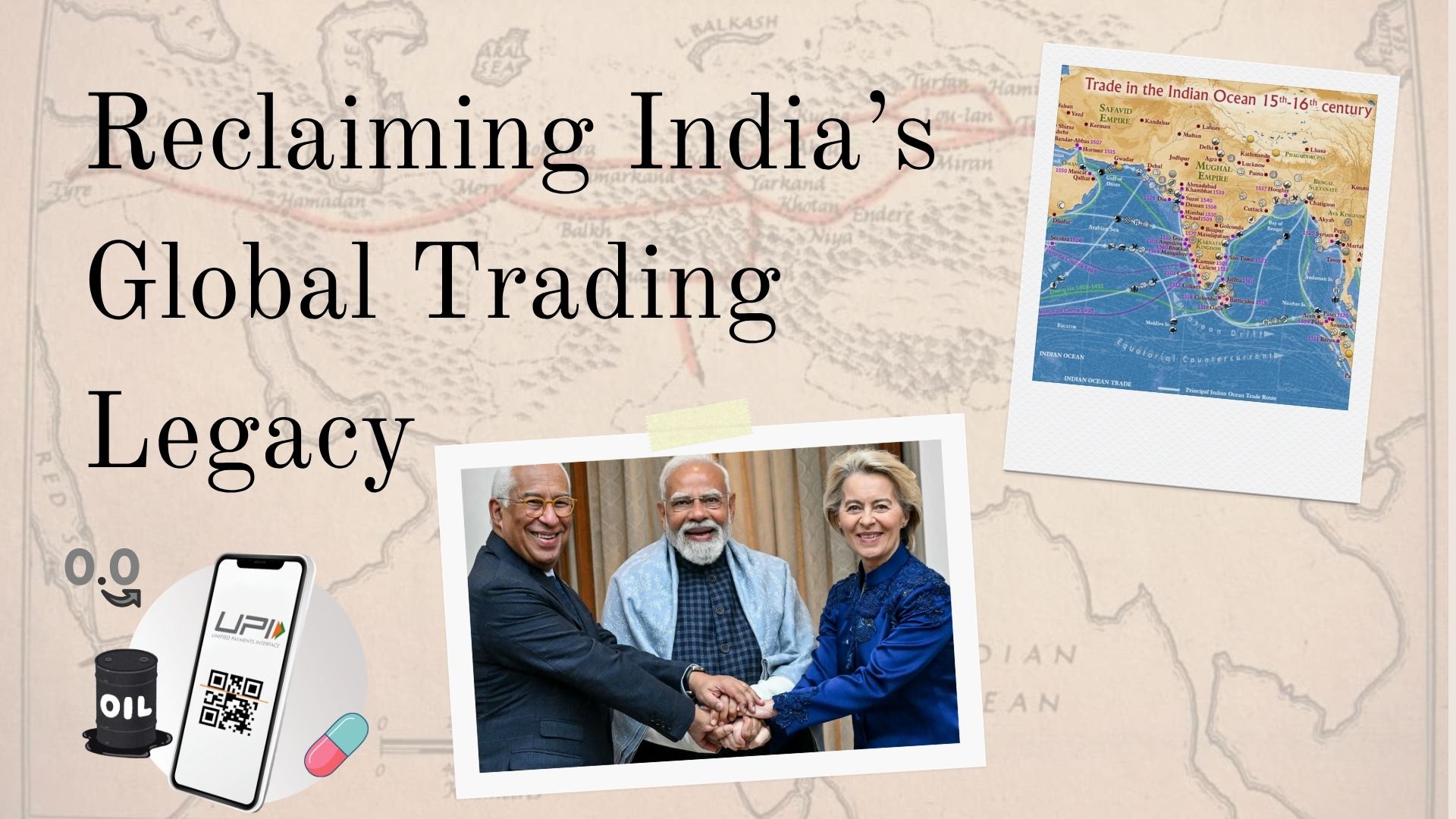
Reclaiming India’s Global Trading Legacy: Strategic Partnerships for Viksit Bharat
India revives millennia-old trade dominance via selective bilateralism: major FTAs (EU, UK, UAE), supply-chain diversification, PM Gati Shakti, export hubs, and tech-focused diplomacy.

RRTS at the Core: Building a Multi-Layered, Future-Ready Rail Ecosystem
The Delhi–Meerut RRTS delivers 160 km/h regional rapid transit, cutting travel to 58 minutes, easing congestion, enabling integration with Meerut Metro, and boosting jobs and green energy.
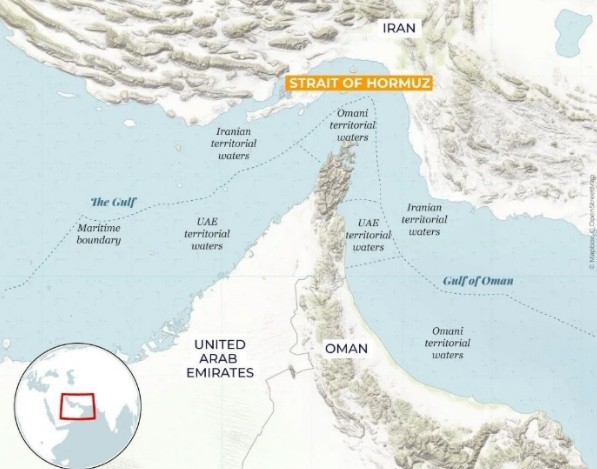
India maintains energy stability through strategy in a turbulent world
West Asia tensions strained routes; India secured supplies via diplomacy, naval escorts, diversified imports (US, Norway, Canada, Russia) and boosted domestic LPG production to ensure energy stability.
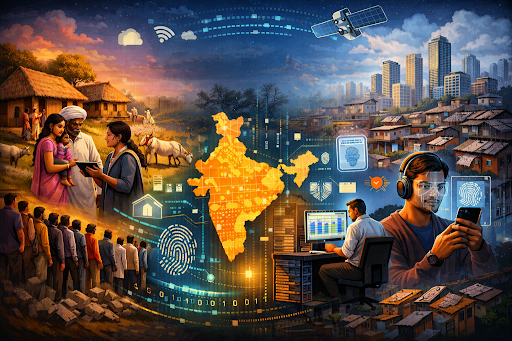
India’s Digital Census With Human Face
India’s 2026 Digital Census shifts to a combined digital–field model with self-enumeration, geo-tagging, caste detail, and 30 lakh app-equipped enumerators—balancing tech efficiency and human trust.
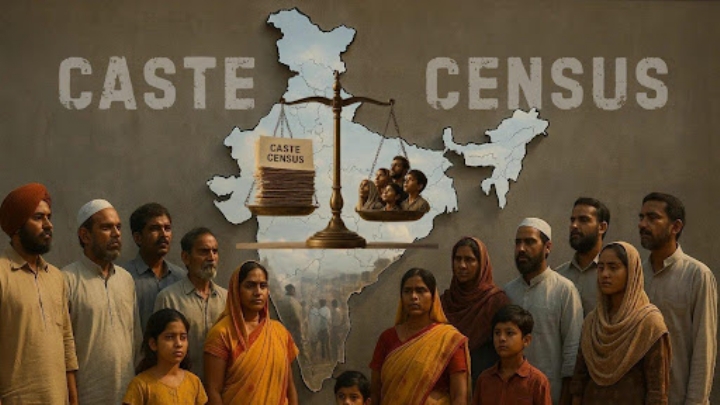
Can the caste census reflect an accurate picture in modern India?
Caste census debates recur each election; past attempts reveal measurement challenges, identity fluidity, politicisation, and risks of flawed data driving divisive policies instead of justice.
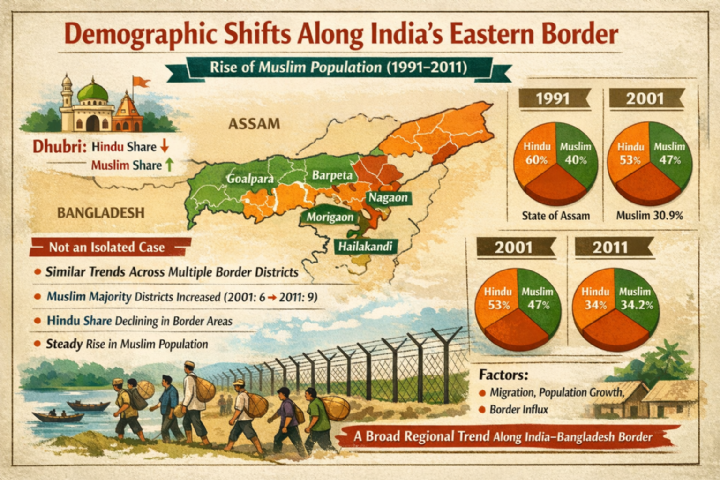
What does Census data show about India’s eastern border districts?
Border districts show contiguous Hindu decline and Muslim rise (1991–2011), raising concerns about illegal migration, land encroachment, communal violence, vote-bank politics, and national security.
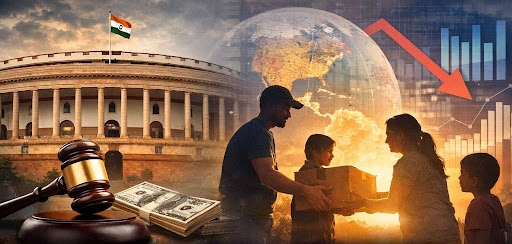
Amid debate, let’s understand the context of FCRA Amendment Bill
The FCRA Amendment Bill 2026 tightens oversight on foreign funding, closes accountability gaps, and targets misuse, amid legal precedents and pushback over timing and minority impact.