
Introductory Memo
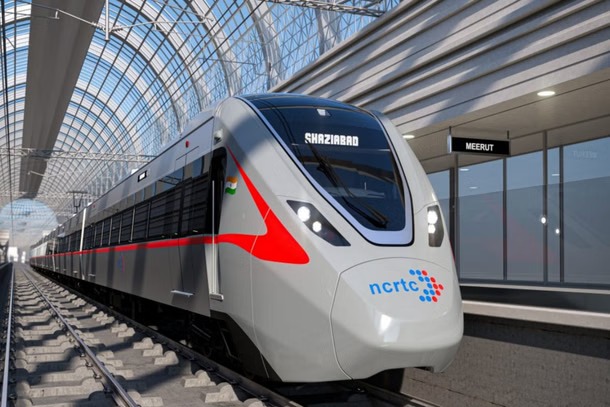
Indian Railways has undergone a historic transformation, from the launch of semi-high-speed trains such as Vande Bharat Express, to the ambitious Mumbai-Ahmedabad Bullet Train project, and the rapid expansion of metro networks across urban India. This speaks of a multi-layered, future-ready rail ecosystem that connects cities, regions, and economic clusters with speed and efficiency. One such transformation that was witnessed recently was the Delhi–Meerut Regional Rapid Transit System, India’s first operational Regional Rapid Transit System under the Namo Bharat brand. Designed to bridge the gap between intra-city metros and long-distance express trains, the 82-kilometre corridor integrates regional and urban mobility. It also includes sharing infrastructure with the Meerut Metro to enable seamless platform-level transfers. This is a recognition of commuter needs in rapidly expanding urban regions, and turning the vision of faster, cleaner, and more integrated travel into reality.
No comments yet. Be the first to share your thoughts!