
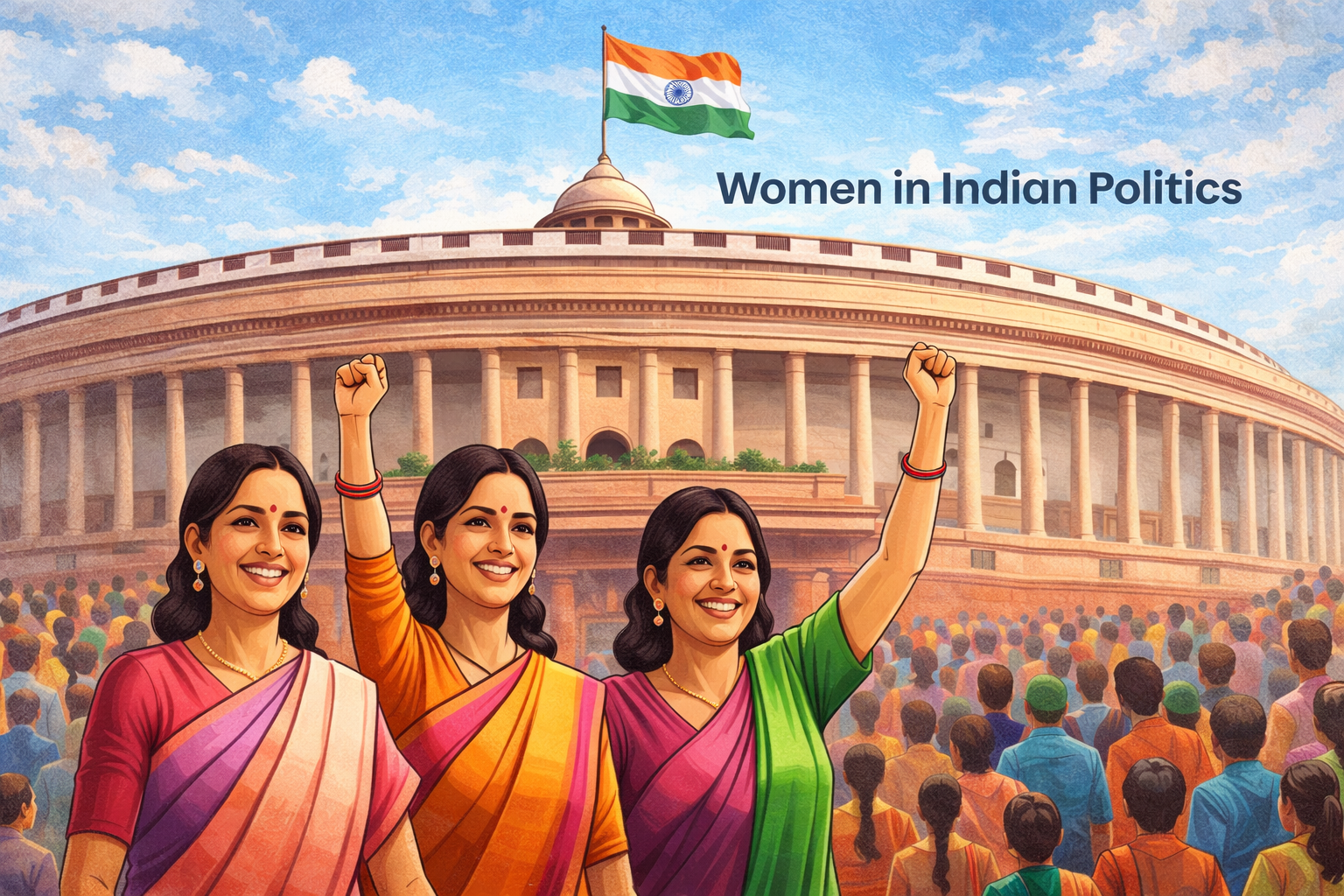
Introductory Memo
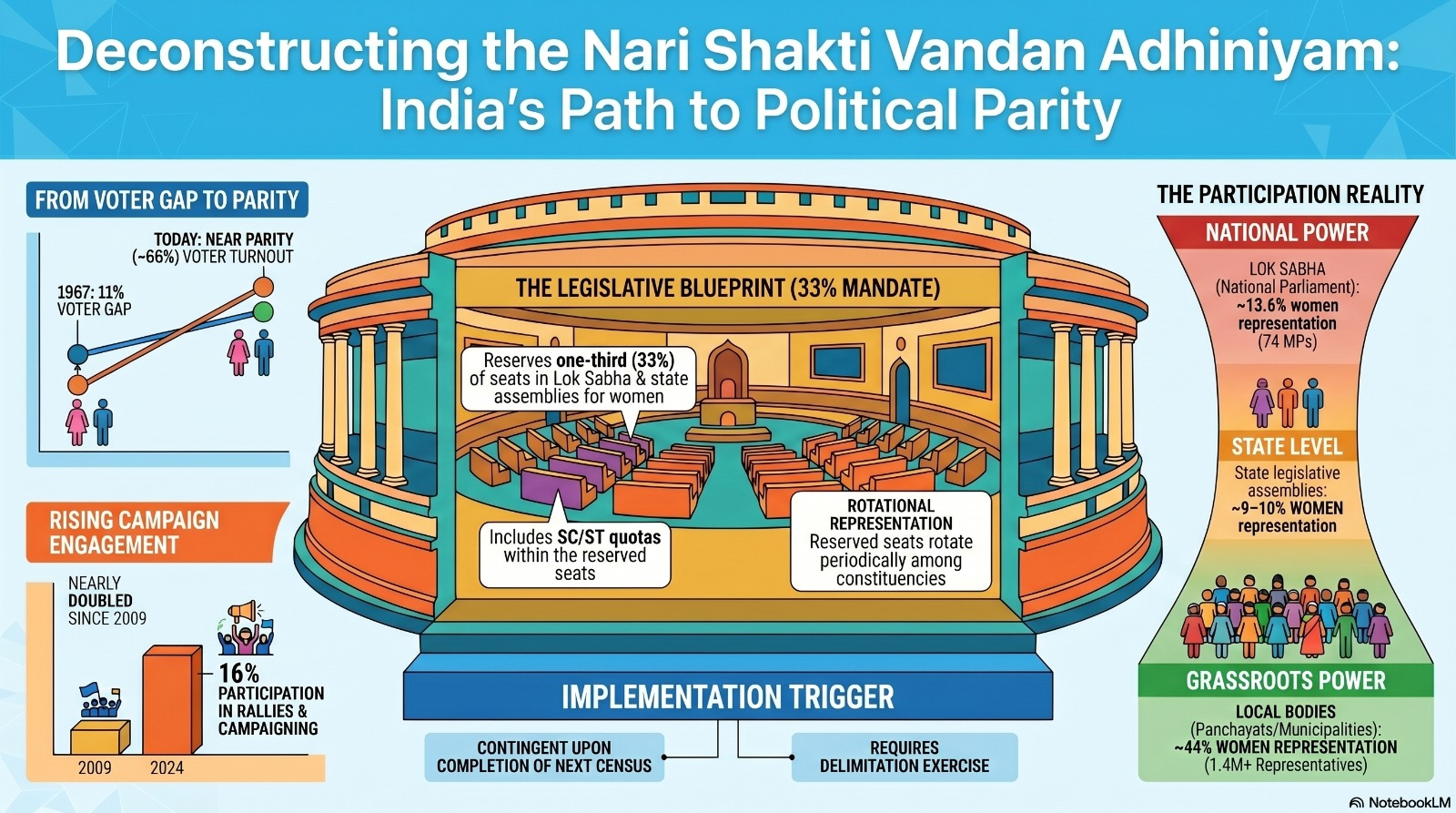
A special session of Parliament has begun on Thursday to discuss amendments aimed at operationalising the Nari Shakti Vandan Adhiniyam (Women’s Reservation Bill, 2023). The move could fast-track its implementation ahead of the 2029 Lok Sabha elections. Passed in 2023, the bill was seen as a key milestone in the Prime Minister’s vision of the country’s “vikas yatra,” though its rollout remains linked to the Census and delimitation.
Despite India granting universal adult suffrage at its inception, efforts to ensure women’s representation in Parliament have repeatedly stalled, with similar bills lapsing in 1996, 1998, 1999, and 2008. Progress first came through the 73rd and 74th Constitutional Amendments, which reserved seats for women in local bodies. Under current provisions, implementation could be delayed until 2034 if tied to the 2027 Census. The government is now expected to push for earlier execution using the 2011 Census data, amid oppositions cornering the ruling government for performing alleged 'haste' on implementation.
No comments yet. Be the first to share your thoughts!