
Introductory Memo
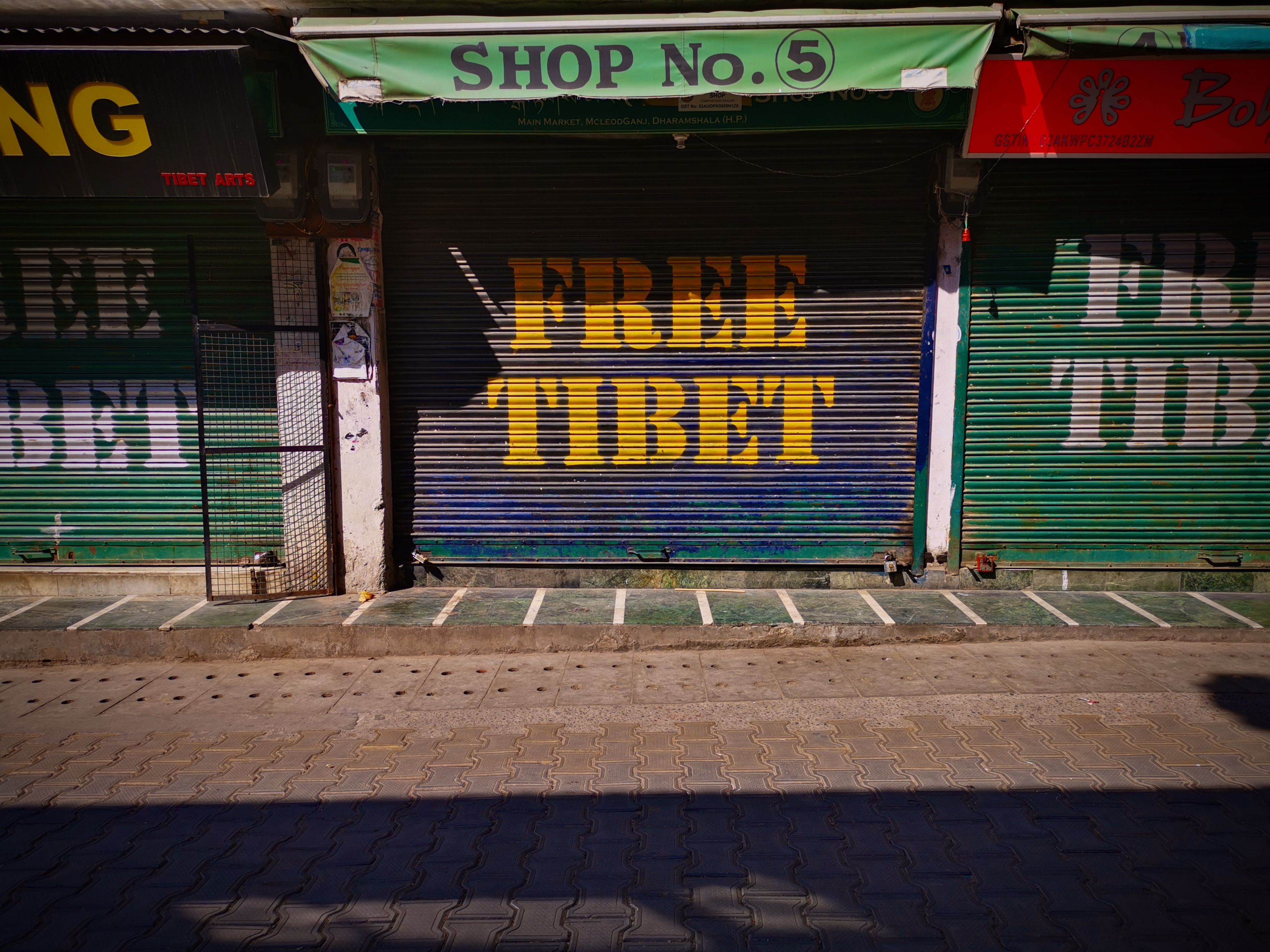
On July 2, 2026, a 52-year-old Tibetan named Lobga Rangzen set himself alight on First Avenue in New York, across from the United Nations (UN). Moments earlier he had gone live on video, holding a Tibetan flag and appealing for the independence and unity of his people. He died of his burns. His act came one day after China’s new ‘Law on Promoting Ethnic Unity and Progress’ took effect. Legislation critics worldwide say the law is designed to erase the language, faith and identity of Tibetans. He was not the first. Since 2009, well more than 150 Tibetans have burned themselves in protest, in what the Tibetan Parliament-in-Exile calls the longest chain of self-immolation protests in history. Let’s trace how a peaceful Himalayan nation came under foreign occupation, how its people have resisted without violence for 70-plus years and why India has been their refuge since 1959.
No comments yet. Be the first to share your thoughts!