
Introductory Memo
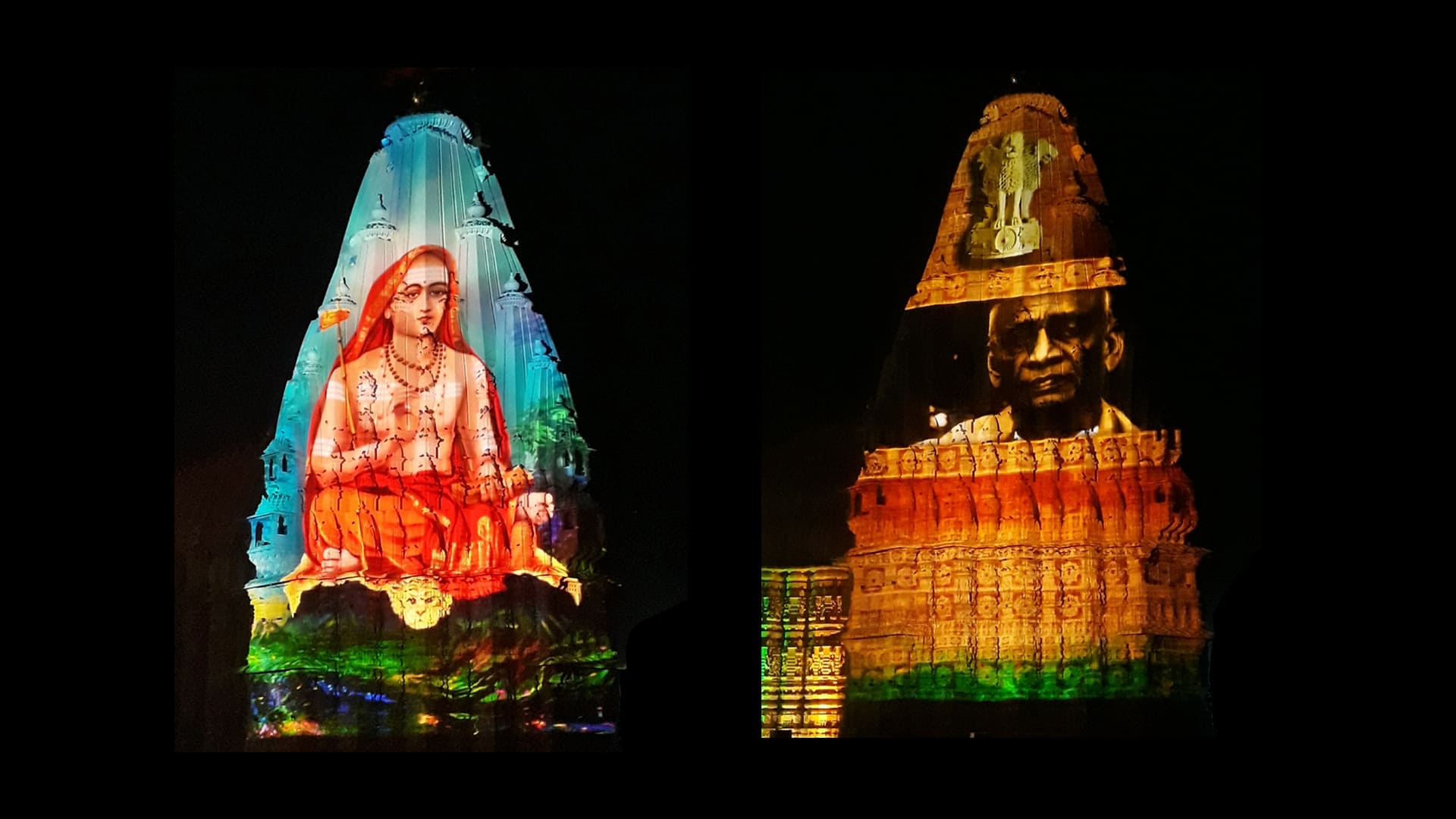
The Somnath Temple remains one of the strongest symbols of India’s civilisational resilience. That is why the ‘Somnath Swabhiman Parv’ of 2026 is far more than just another religious commemoration. Having begun in January this year, the Parv serves as a living bridge across time, connecting a thousand-year journey of resistance, destruction, rebuilding, and resurgence. The ‘Somnath Swabhiman Parv’ marks one thousand years since Mahmud of Ghazni’s devastating invasion of the temple in 1026 CE. Significantly, the Parv also comes at a time when Somnath’s post-Independence reconstruction of 1951 completes seventy-five years, adding another powerful historical layer to the moment. Together, these milestones place Somnath at the very centre of Hindu civilisational memory. More than a commemorative event, the Parv reflects a deeper reclaiming of historical consciousness and cultural self-confidence. In that sense, Somnath is not merely a rebuilt temple, but a lasting symbol of Bharat’s resilience through centuries of invasion, destruction, and attempts at erasure.
No comments yet. Be the first to share your thoughts!