
Introductory Memo
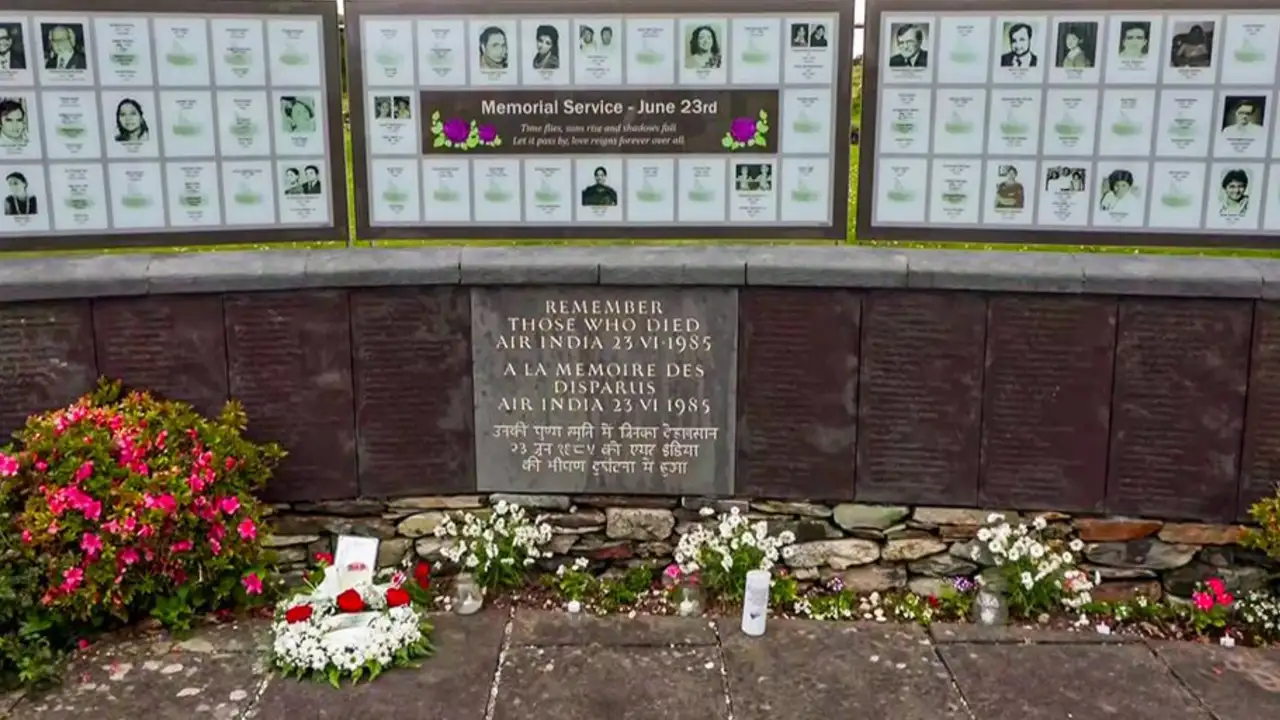
For 41 years, the Air India Flight 182 (Kanishka) bombing stood as Canada's darkest terrorist tragedy. Yet one uncomfortable truth remained politically unacknowledged by Canada: the attack was masterminded by Canada-based Khalistani extremists.
The 1985 bombing claimed 329 lives, most of them Canadian citizens. India repeatedly warned that extremist networks operating from Canadian soil posed a continuing security threat. India’s concerns were ignored or made to be ignored. During Justin Trudeau's tenure as Canadian Prime Minister, India-Canada bilateral relations deteriorated sharply following his allegations against India over the killing of a proscribed Khalistani terrorist Hardeep Singh Nijjar.
Today, Canada's intelligence agency CSIS has explicitly, for the first time, identified Canada-based Khalistani
extremists as responsible for the Kanishka bombing and warned that such extremist networks continue to operate. This marks a significant shift in Canada's national security narrative and a crucial diplomatic moment in India-Canada relations.
No comments yet. Be the first to share your thoughts!