
Introductory Memo
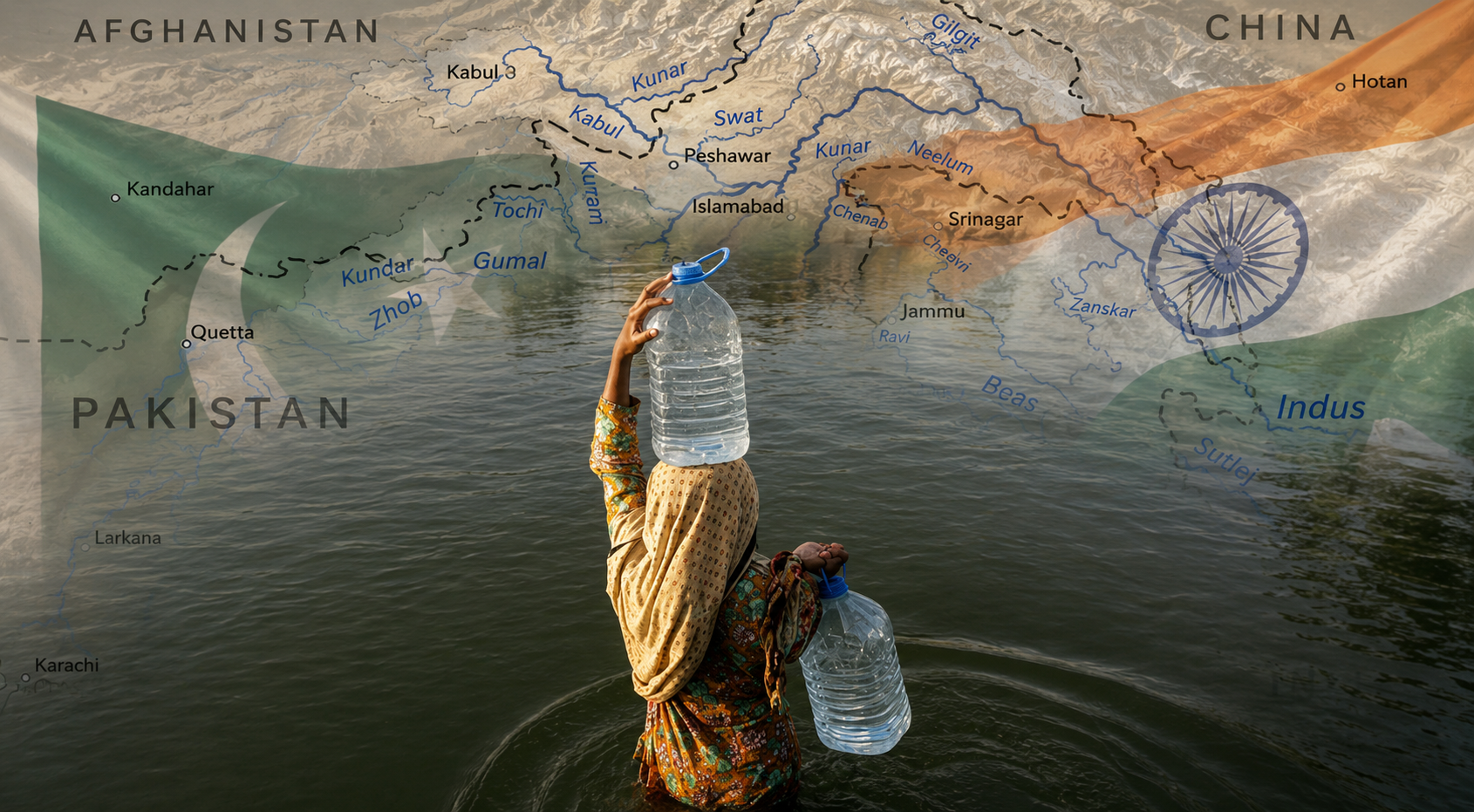
Imagine a region where mighty rivers are born, yet the people living beside them cannot fully use their waters. That has been the story of Jammu and Kashmir for more than six decades. Under the 1960 Indus Waters Treaty, Pakistan received control over most of the Indus river system, while India's use of the western rivers flowing through Jammu and Kashmir remained heavily restricted.
As a result, Jammu and Kashmir was left with limited opportunities to store water, expand irrigation, or generate hydropower. Today, two projects, the Chenab–Beas Link Tunnel and the Salal Hydroelectric Project, have brought this long-standing issue back into the spotlight. Pakistan has reacted strongly, accusing India of trying to "weaponise water." But behind the debate lies a larger story: India's effort to make better use of its own rivers and unlock the water and energy potential of Jammu and Kashmir.
No comments yet. Be the first to share your thoughts!